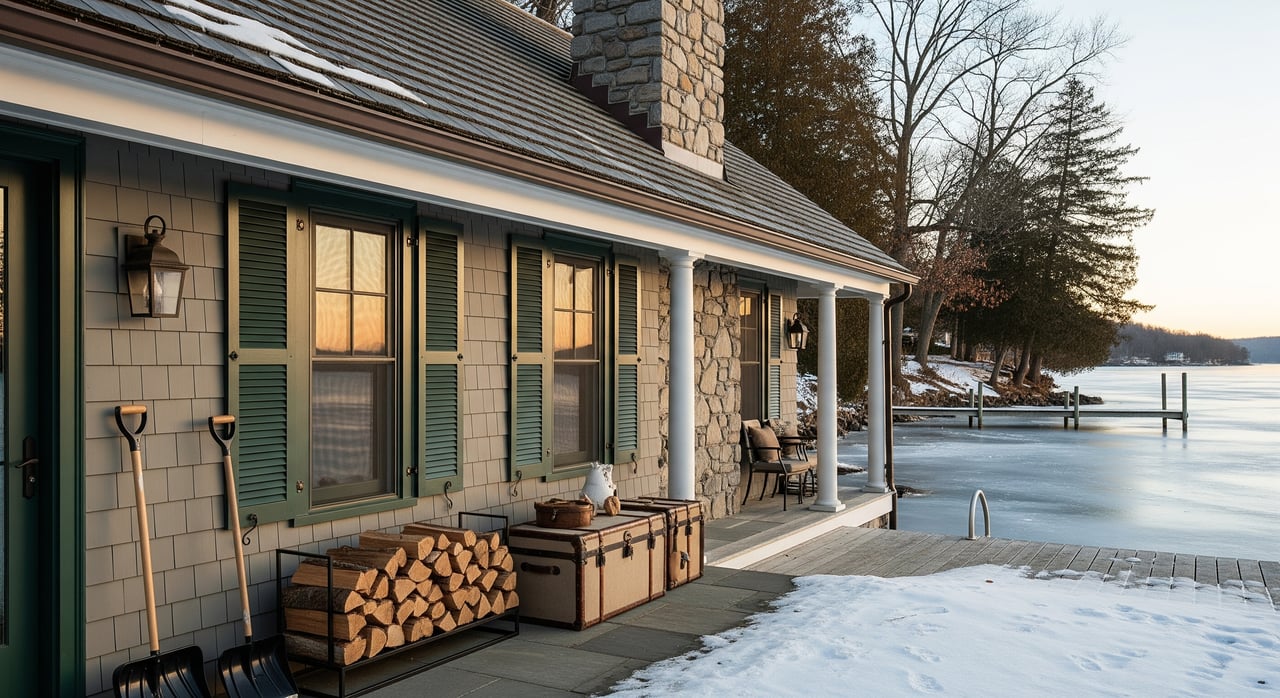
Closing up your Chautauqua Lake cottage for winter does not have to be stressful. If you plan ahead and follow a simple plan, you can protect your pipes, roof, dock, and peace of mind. As a seasonal or remote owner, you want to know what matters most in Lakewood’s climate and what can wait. This guide gives you the essentials, a local-minded checklist, and smart tips for remote monitoring. Let’s dive in.
When to winterize in Lakewood
Winter in Lakewood brings sustained freezes and heavy snowfall from late fall through early spring. The coldest stretch is usually December through February. Treat November through March as the high-risk window for frozen pipes and snow loads. Plan your shutdown steps before regular overnight freezes become the norm.
This timing also affects fuel deliveries and access. Once snow piles up, driveways and steep lanes get tougher to service. Book your providers early and confirm they can reach your property after storms.
Your winterization game plan
A good plan covers water, heat, septic, electrical, exterior, and access. Start by deciding whether you will maintain heat and keep water on, or shut off and drain the system. Then set your thermostat baseline, address plumbing and appliances, and secure the exterior.
Choose your approach
- Heat on, water on: Keep the home heated, and leave the water system pressurized. This can work if your heat source and power are very reliable, but it costs more and still carries some risk in uninsulated spaces.
- Shut off and drain: Turn off the main water valve and drain the interior lines and fixtures. This is preferred for longer absences because it removes most freeze risk from pipes and appliances.
Important: Simply shutting off the exterior valve without draining interior lines is not enough. Water left in supply lines, fixtures, or appliances can freeze and burst.
Set a safe baseline temperature
Maintain an interior temperature in the 55 to 65 degree range when you are away. Many owners use 55 degrees as a minimum. Go higher, around 60 to 65 degrees, if your cottage is older, if pipes run through crawlspaces or unheated areas, or if you have finishes or items that are sensitive to cold.
Use a programmable or Wi‑Fi thermostat if possible. Set alerts so you or a local contact can respond if the temperature drops unexpectedly.
Water systems: municipal vs well
- Municipal water: Locate and test your main shutoff valve. If you plan to drain, close the main, open all faucets, and flush toilets to empty tanks. Disconnect garden hoses and drain hose bibs. If you choose to keep water on, insulate exposed pipes and consider a slight trickle in the coldest snaps, but do not rely on a trickle alone instead of heat.
- Private well: In addition to the steps above, protect well components. Many well systems include pressure tanks and pump controls that can be damaged by freezing. A licensed well contractor can help with draining and insulating the wellhead or well house.
Drain the water heater per the manufacturer’s instructions if you are shutting down fully. If you prefer to leave the water heater on, set it to vacation mode or the lowest safe setting and follow the manufacturer’s guidance.
Antifreeze use the right way
Use only nontoxic RV or marine antifreeze, and use it only in drain traps and toilet bowls. Pour a small amount into P‑traps for showers, tubs, and sinks after you drain the lines. Do not pour antifreeze into the well supply lines or the septic drainfield. If you are unsure what is safe for your system, ask a licensed professional.
Septic system care
Septic systems can freeze if soil cover is thin or insulation gets disturbed. Keep normal snow cover over the tank and lines, or add insulating mulch or straw where a local pro recommends. Do not plow or drive over the drainfield. If your system will sit unused, pumping is not automatically required unless you have signs of trouble. Consult a licensed septic service if you suspect issues.
Heating and fuel readiness
Service your furnace or boiler before you leave. Replace filters, check burners, and confirm safe venting. For oil or propane, confirm your tank level and set a delivery plan that accounts for winter access. If you use a wood stove or fireplace during visits, have the chimney cleaned and remove ashes before you go.
Electrical and safety devices
Test smoke and carbon monoxide detectors and replace batteries. Plug in water‑leak sensors near the water heater, main shutoff, and mechanical room. Consider a monitored thermostat and smart cameras if you have reliable internet or cellular coverage. Pair this tech with a local contact who can enter the home for checks or repairs.
Exterior, docks, boats, and landscape
Clean gutters and check the roof for loose shingles before storms. Trim back branches that could fall on the house or power lines. Secure outdoor furniture and store grills. Drain irrigation lines and remove backflow devices as required.
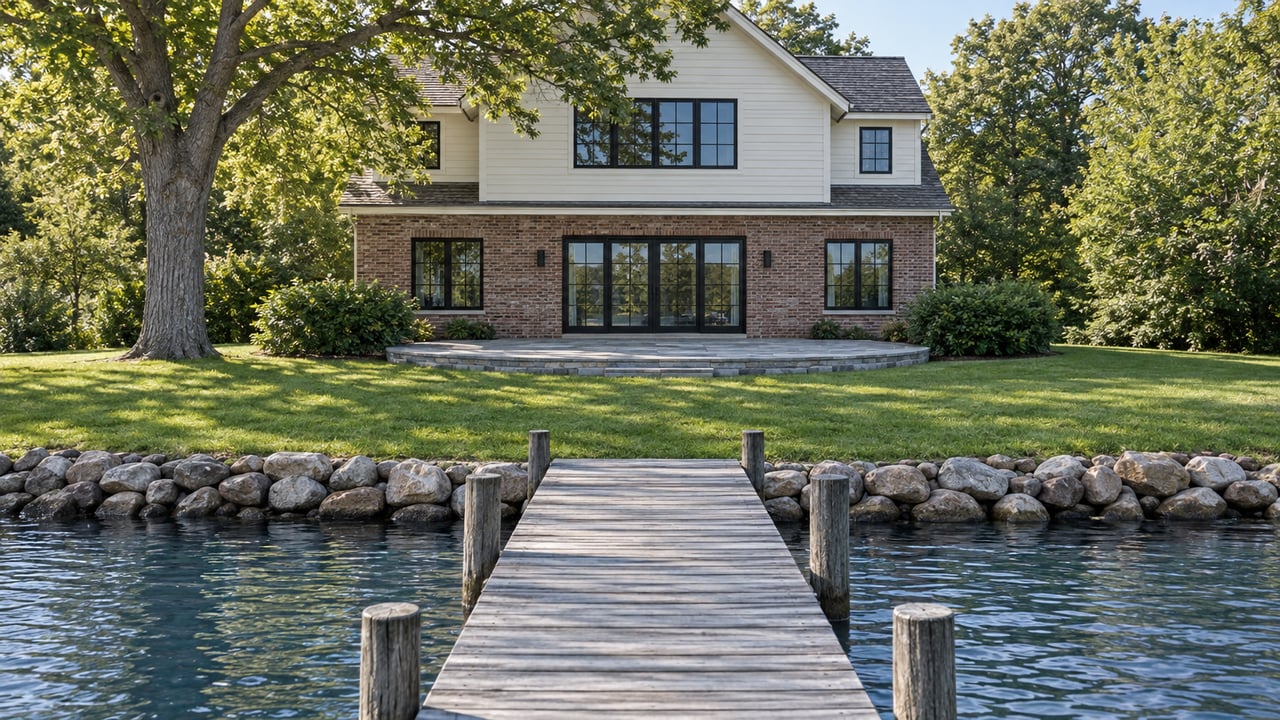
For docks and boat lifts, follow the manufacturer’s directions and local best practices. Many Chautauqua Lake owners remove docks or secure them for winter. Winterize boat engines, drain onboard water systems, stabilize fuel, and remove or maintain batteries.
Local pros to line up
Before the season, set your team and confirm availability after storms. Useful providers include:
- Licensed plumber with winterization and backflow experience
- HVAC contractor for your furnace, boiler, or electric heat
- Well contractor if you have a private well
- Septic service company for inspection or concerns
- Chimney sweep if you use wood or solid fuel
- Property check service for periodic interior and exterior visits
- Snow‑removal service with clear response times and insurance
- Dock and boat winterization specialist or marina
Ask for licenses and insurance, request references, and get a simple written scope. If you will be away all winter, consider a seasonal agreement that defines visit frequency and what triggers an on‑site check, such as a low‑temperature alert.
A simple Lakewood timeline
2 to 4 weeks before departure
- Service the heating system and test the thermostat
- Arrange fuel deliveries or set up auto‑fill
- Inspect the roof, clean gutters, and trim risky branches
- Check pipe insulation and hose bibs, repair as needed
- Line up plumber, property checker, snow removal, and marina
- Address any septic concerns with a licensed provider
1 to 3 days before departure
- Choose your approach: heat on with water on, or shut off and drain
- If draining: close the main water valve, open faucets, flush toilets, and drain the water heater per instructions
- Remove perishables, empty trash, unplug electronics, and secure doors and windows
- Set the thermostat to your baseline and verify remote access if available
- Place leak sensors, test smoke and CO alarms, and replace batteries
Immediately after departure
- Share a property info sheet with local contacts that shows shutoff locations, appliance manuals, utility accounts, key access, and emergency instructions
- Give written permission for a local contact to enter for emergency repairs
Returning in spring
- Close drains and restore water slowly, then open faucets to bleed air
- Inspect the water heater, toilets, and appliances for leaks n- Schedule seasonal checks for systems that were shut down
- Reconnect hoses and bring irrigation or backflow devices back online per code
Quick checklist to print
- Heat set to 55 to 65 degrees
- Main water off and lines drained, or water on with added protections
- Nontoxic RV antifreeze added to traps and toilet bowls
- Water heater addressed per instructions
- Gutters clear, roof checked, branches trimmed
- Dock and boat winterized or removed per guidance
- Smoke and CO detectors tested, new batteries installed
- Leak sensors placed and monitoring enabled
- Fuel level confirmed, deliveries scheduled
- Local contacts confirmed for checks and emergencies
Peace of mind for remote owners
A clear plan, a reliable thermostat, and a local contact can prevent the most common winter losses. You will save time and money by doing the basics well and documenting your steps. If you are balancing a sale, a purchase, or planning a spring project, local guidance can help you sequence these tasks with your real estate goals.
If you want a local perspective on winter readiness around Chautauqua Lake, or you are thinking about buying or selling a seasonal home, reach out to the The Nielsen Wroda Team. We combine concierge-level service with deep local knowledge so you can move with confidence in every season.
FAQs
When should I start winterizing a Lakewood cottage?
- Begin in early fall and complete shutdown steps before regular overnight freezes, since November through March is the highest risk period for frozen pipes and snow loads.
What temperature should I set when I am away?
- Many owners use 55 degrees as a minimum, with 60 to 65 degrees for older homes or where pipes run through unheated areas; confirm any minimums your insurer requires.
Is shutting off the main water enough to prevent frozen pipes?
- No. You also need to drain interior lines and fixtures so there is no standing water that can freeze and burst pipes.
Can I rely on antifreeze and keep the heat off?
- No. Antifreeze is only for traps and toilet bowls; it does not protect supply lines, appliances, or water heaters, so keep heat on or fully drain the system.
Should I pump my septic tank before winter?
- Pumping is not automatically required for winter if your system is healthy; if you suspect issues, consult a licensed septic professional before freezing conditions set in.
What should I do with docks and boats on Chautauqua Lake?
- Follow manufacturer and marina guidance; many owners remove or secure docks for winter and fully winterize boat engines and onboard systems to prevent ice damage.