Thinking about buying a cottage or lake house in Findley Lake and wondering if short-term rentals could help cover the costs? You are not alone. Many buyers see the potential but struggle to model income and expenses with confidence. In this guide, you will learn a simple, local-first framework to estimate revenue, plan for seasonality, and map out costs and rules in ZIP code 14736. You will walk away with a step-by-step approach you can use before you write an offer. Let’s dive in.
Know Findley Lake demand drivers
Findley Lake is a small lake resort community with seasonal tourism. Most demand concentrates from late spring through early fall when visitors prioritize boating, fishing, and waterfront time. You can expect lower midweek activity in winter, with occasional bumps from holiday weekends and regional events.
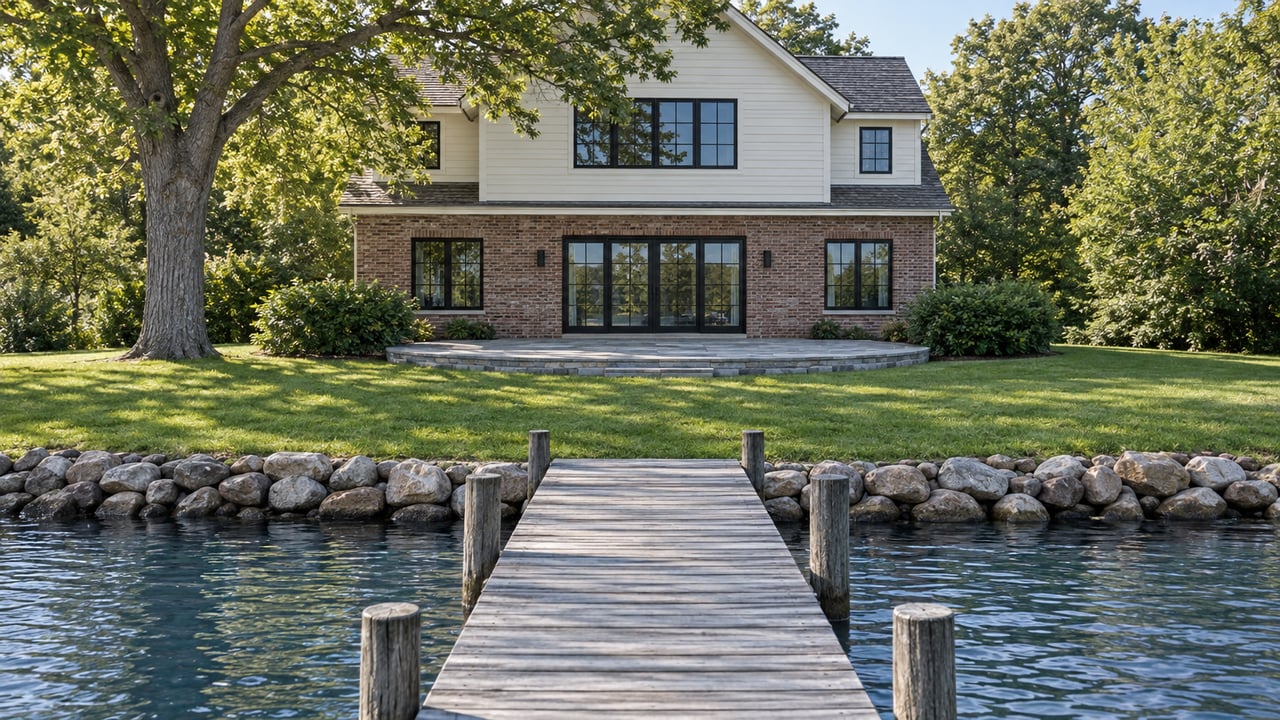
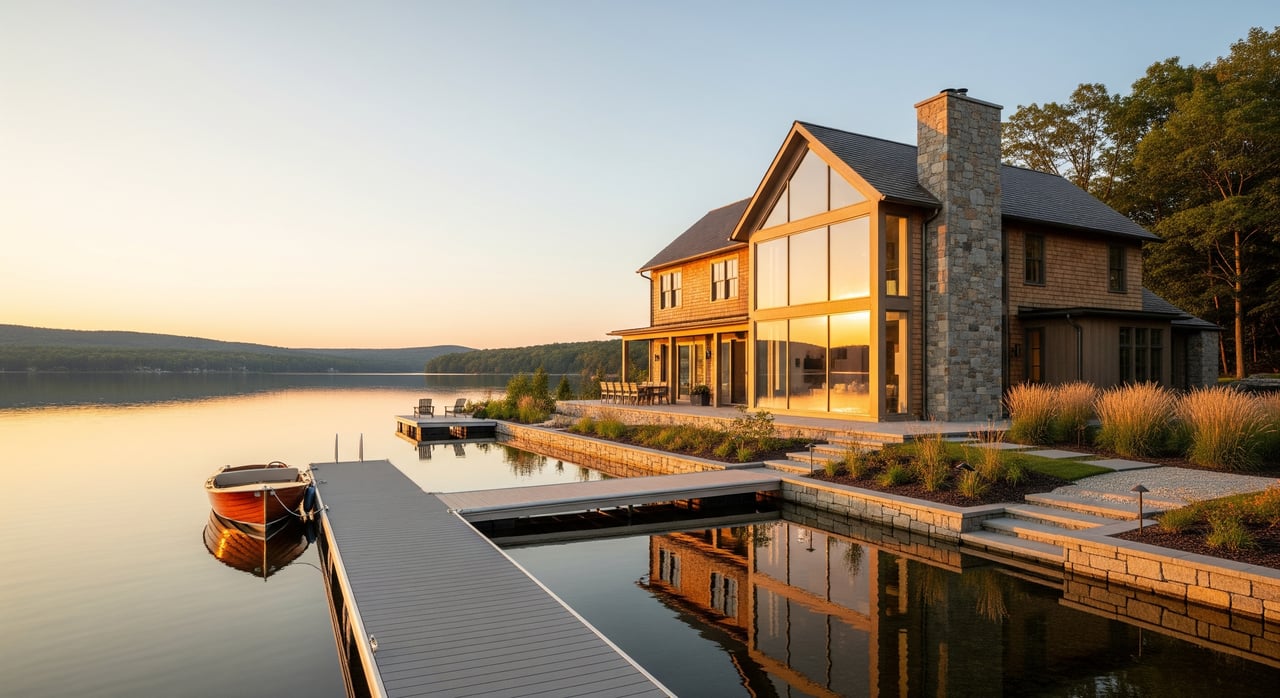
Water access matters. Waterfront or water-view homes with a private dock, good parking, and modern amenities often command higher nightly rates and stronger weekend demand. The number of bedrooms and baths, a well-equipped kitchen, outdoor spaces like a deck or firepit, pet-friendly policies, and on-site laundry also influence both pricing and occupancy.
Proximity to regional attractions helps too. Weekend and holiday bookings often come from drive-to markets like Buffalo, Erie, and Jamestown. County festivals and events at regional venues can create short windows of high demand. When you model revenue, plan around those spikes.
Build a comp set that fits your property
A good comp set is the backbone of your estimate. Follow this structure so you do not over or understate the opportunity.
Define your product
- Start within 5 miles of the subject property. If inventory is thin, expand to 10 to 15 miles, noting precision may drop.
- Match property type and size. Focus on whole-home listings with the same bedroom and bathroom count and similar sleeping capacity.
- Separate waterfront from non-waterfront comps. Model them as distinct groups.
- Tag key amenities such as dock, private beach, hot tub, pet policy, parking, and laundry.
Aim for 15 to 30 active listings in each subgroup. If you cannot hit that sample size, broaden distance or bedroom count slightly and label those comps as lower confidence.
Collect the right metrics
For each comp, record:
- Advertised nightly rates for weekdays and weekends, plus any visible discounts or minimum stay rules
- Cleaning fees and other guest fees
- Calendar availability snapshots that show booked versus open dates across seasons
- Review count and rating as a proxy for listing age and booking velocity
If you use a commercial STR data provider, pull monthly occupancy and ADR trends for your micro-market. Otherwise, track calendar patterns manually across months.
Adjust for quality
Not all lake houses are equal. Apply plus or minus adjustments to nightly rates for finish level, bathroom count, private dock, outdoor spaces, and pet-friendly status. A well-appointed waterfront home can often justify a 10 to 30 percent premium. Older or minimally furnished homes might merit a 10 to 30 percent discount.
Avoid common pitfalls
- Small-market volatility can skew averages if a few standout homes dominate bookings.
- Newly launched listings often use promotional rates. Discount or exclude the first three months.
- Platform mix matters. Family-focused homes may show different pricing on different platforms. Compare like for like.
Model ADR, occupancy, and seasonality
Estimating gross revenue is simple once you build monthly assumptions. The formula is: monthly revenue equals effective nightly rate times nights in month times occupancy rate. Sum each month for the year.
Create a 12-month profile
Lake markets like Findley Lake are highly seasonal. If you do not have direct monthly data, start with a three-tier model and refine as your comp set improves:
- Peak season June to September. Popular listings often land in the 60 to 90 percent occupancy range in these months.
- Shoulder months May and October. Plan for 30 to 60 percent occupancy.
- Off-season November to April. Expect 10 to 40 percent, with potential weekend pockets tied to holidays or winter activities.
Set an ADR for each tier using your comp medians, then adjust for your home’s attributes. If your data supports it, separate weekday from weekend rates. Weekend ADRs in lake markets often run 10 to 40 percent higher.
Account for discounts and promotions
Model effective ADR after typical discounts. If your comp set shows last-minute cuts or longer-stay discounts, reduce your list rate accordingly to get closer to realized revenue.
Stress-test your assumptions
Small markets change fast. Build at least three scenarios:
- Pessimistic at minus 20 percent nightly rate and minus 20 percent occupancy
- Baseline using comp medians
- Optimistic at plus 15 percent nightly rate and plus 10 percent occupancy for best-in-class marketing and amenities
This range helps you plan for surprises like new inventory or regulation changes.
Build a simple revenue template
You do not need fancy software to get started. Create a one-sheet model with these columns for each month:
- Nights in month
- Weekday ADR, weekday occupancy
- Weekend ADR, weekend occupancy
- Weighted average ADR and weighted occupancy if you prefer one line per month
- Monthly gross revenue equals ADR times nights times occupancy
Add a section at the bottom for scenario toggles that apply percent changes to ADR and occupancy. Keep your comp notes attached so you can revisit assumptions.
Estimate operating costs in 14736
Operating costs can make or break cash flow. Budget conservatively and use local quotes when you can.
- Platform and payment fees. Plan for 3 to 5 percent host-side processing. Consider how guest fees might affect demand.
- Management. Full-service property management typically runs 15 to 30 percent of gross revenue in small markets. Self-management can be 0 to 10 percent, but include the value of your time.
- Cleaning and turnover. Expect 75 to 250 dollars per turnover depending on size and labor rates. Turnovers increase in peak season.
- Utilities. Electric, gas, water, internet, and septic servicing can average 200 to 800 dollars per month across the year. Waterfront homes may have higher winter heating costs.
- Maintenance and repairs. Budget 5 to 10 percent of gross revenue or set aside 1 to 2 percent of property value per year.
- Insurance. Short-term rental endorsements can increase premiums. A common planning range is 1,000 to 3,000 dollars per year, but get a local quote.
- Property tax. Use Chautauqua County assessor data for a property-specific estimate.
- Capital reserves. Set aside 5 to 10 percent of gross revenue for furniture, dock work, shoreline structures, and systems.
- Local taxes and permits. Budget for occupancy and sales taxes based on bookings, plus any registration or inspection fees.
- Miscellaneous. Linen service, supplies, marketing, HOA fees, and signage.
Net operating income equals gross revenue minus operating expenses, excluding mortgage and income tax. Owner cash flow equals NOI minus mortgage debt service.
Check rules and taxes before you buy
Local rules can change your numbers quickly. Before you make an offer, confirm the following for Findley Lake and Chautauqua County:
- Short-term rental registration or permits, safety inspections, and any septic approvals or occupancy limits
- Zoning or deed restrictions that limit short-term rental use, including HOA rules for waterfront communities
- State and county occupancy and sales tax registration and remittance timing
- Insurance requirements for short-term rentals and any watercraft or dock coverage
If a property is already used as a short-term rental, request proof of compliance and tax filings.
Plan for operational realities
Small lake markets have unique operating challenges. Build them into your pro forma and your calendar.
- Turnover logistics. Confirm the availability and cost of housekeeping and linens. Peak season may require flexible check-in days and higher turnover cadence.
- Winterization. Plan for extended off-season vacancy, heat maintenance, and freeze prevention for plumbing and docks.
- Septic and well. Verify system capacity and any limitations that affect guest counts.
- Parking and access. Limited parking can deter larger groups. Check local rules for street or on-lot parking.
- Connectivity. Confirm broadband and cell coverage, a frequent guest need.
What to verify before an offer
Use this checklist to speed up diligence and avoid surprises.
Data and market checks
- Build a comp set of 15 to 30 listings with ADRs, cleaning fees, calendars, and review counts across the last 12 months
- Pull county property tax, parcel maps, and zoning or permit history
- Confirm short-term rental registration or permit requirements with the municipal clerk and county authorities
- Ask the seller for revenue and expense history, including booking statements and occupancy calendars for 12 to 24 months
- Interview 1 to 2 local managers for quotes on fees, occupancy trends, and turnover logistics
Financial diligence
- Create a 12-month model with seasonal ADR and occupancy drawn from your comps
- Use conservative expense assumptions and a capital reserve line
- Run sensitivity tests at minus 20 percent revenue and plus 20 percent expenses
- Get insurance and mortgage quotes that allow short-term rental use
Operational diligence
- Verify septic or sewer and well status, including any guest capacity limitations
- Confirm parking, dock permissions, and boat access rules
- Check internet speed and cell coverage at the property
How we help in Findley Lake
You do not need to figure this out alone. A local team that knows Findley Lake, Peek’n Peak, and Chautauqua County micro-markets can help you build the right comp set, validate seasonality, and navigate permits and operating details. We routinely advise second-home buyers and investors on waterfront valuations, off-market opportunities, and practical steps to set up a compliant, guest-ready property.
If you are considering a purchase in or near ZIP 14736, we can walk you through a property-specific revenue model, connect you with local managers and service pros, and review the permit path so you can move forward with clarity. When you are ready to take the next step, reach out to the The Nielsen Wroda Team for a local, concierge-style consultation.
FAQs
How seasonal is Findley Lake short-term rental demand?
- Demand concentrates in late spring through early fall with strong weekend bookings, while winter months see lower midweek occupancy and occasional spikes around holidays or regional events.
What is a realistic summer occupancy target in 14736?
- Well-positioned listings in small lake markets often reach 60 to 90 percent monthly occupancy in peak months, but you should use your comp set median and stress-test with lower scenarios.
Do I need a permit to operate an STR near Findley Lake?
- You should confirm local short-term rental rules, registration, inspections, and septic approvals with the municipal clerk and county authorities before operating.
How do waterfront features affect nightly rates on Findley Lake?
- Private waterfront, a dock, and strong finishes commonly justify a 10 to 30 percent rate premium compared with similar non-waterfront or lower-finish homes.
What cleaning and management costs should I plan for?
- Cleaning typically ranges from 75 to 250 dollars per turnover depending on size and labor, and full-service management often runs 15 to 30 percent of gross revenue in small markets.