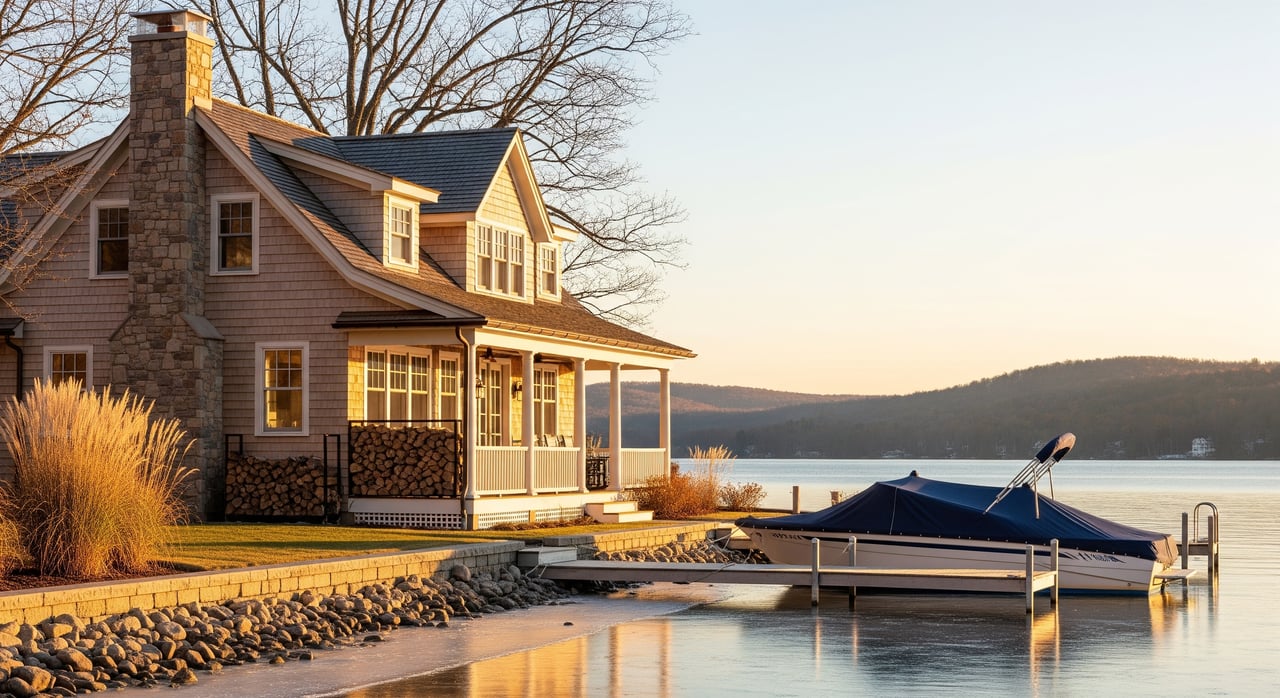
Snow on Chautauqua Lake is beautiful, but it can be tough on a cottage. If you plan to leave your Bemus Point place empty this winter, a few smart steps now can prevent frozen pipes, roof leaks, and dock damage later. This guide gives you a simple, practical checklist, a vendor outreach template, and a timeline built for our local climate. Let’s dive in.
Start with a plan
Before you shut the door for the season, decide how you want to protect the home and who can help if something changes.
- Choose your approach: fully drain and winterize plumbing, or maintain low heat with routine checks.
- Line up a trusted local contact who can access the property in an emergency.
- Build a simple folder with photos, service receipts, serial numbers, and key contact info.
Drain or maintain heat
- Drain and winterize: Best if you cannot guarantee regular checks. A licensed plumber can shut off and drain the system, then protect drains and traps.
- Maintain heat: If you prefer to keep systems running, set the thermostat to 55°F to 60°F, confirm fuel supply, and arrange periodic checks. Use remote temperature alerts where possible.
Create an emergency contact list
- Local emergency management, utility companies, and village office.
- Your insurer or agent for policy guidance.
- Plumber, HVAC tech, septic contractor, and a dock professional.
Plumbing and water systems
Protecting plumbing is the single most important step.
- Shut off and label the main water valve. If leaving the home vacant, shut it off and drain the system.
- Open taps at the highest and lowest points to drain lines. Flush toilets after shutting their supply.
- Drain the water heater per the manufacturer, and turn off power or gas to it if you are draining the system.
- Pour non‑toxic RV or marine antifreeze into P‑traps for sinks, tubs, and floor drains to protect seals.
- If you have a well, insulate above‑ground components and follow your well contractor’s guidance for shutdown.
- If you will keep heat on, keep vulnerable pipes warm and consider a slow drip for lines at risk.
Tip: If you are remote or unfamiliar, hire a licensed plumber for full winterization.
Heating and fuel systems
Keep systems reliable if you plan to maintain heat.
- Thermostat: A common minimum for vacant homes is 55°F to 60°F. Confirm with your equipment manuals and insurer.
- Fuel: Top off propane or oil tanks and confirm automatic deliveries are available for winter.
- Service: Have furnaces and boilers inspected in fall. Replace filters and confirm safe operation.
- Backup: Consider a safe secondary heat source and a generator for outages. Check local codes and insurance requirements.
- Monitoring: Use remote thermostat monitoring and high or low temperature alerts if you will be away.
Electrical and safety basics
Small checks go a long way in winter.
- Turn off nonessential circuits and unplug sensitive electronics.
- Test smoke and carbon monoxide detectors and install fresh batteries.
- Test your sump pump and add a battery backup or generator connection to prevent flooding during outages.
- Set exterior lights on timers or remote controls. Clear light sensors.
Roof, gutters, and exterior
Prevent water from getting in and ice from building up.
- Roof: Repair loose shingles or flashing and address any signs of leaks before freeze.
- Gutters: Clean thoroughly and ensure downspouts move water away from the foundation.
- Trees: Trim branches that could fall on the house, power lines, or docks.
- Exterior faucets: Shut off indoor supply and drain hose bibs, or cover frost‑free bibs with insulated caps.
- Windows and doors: Check weatherstripping and seals; secure storm windows and doors.
Waterfront structures and docks
Ice and wind can do real damage along the shoreline.
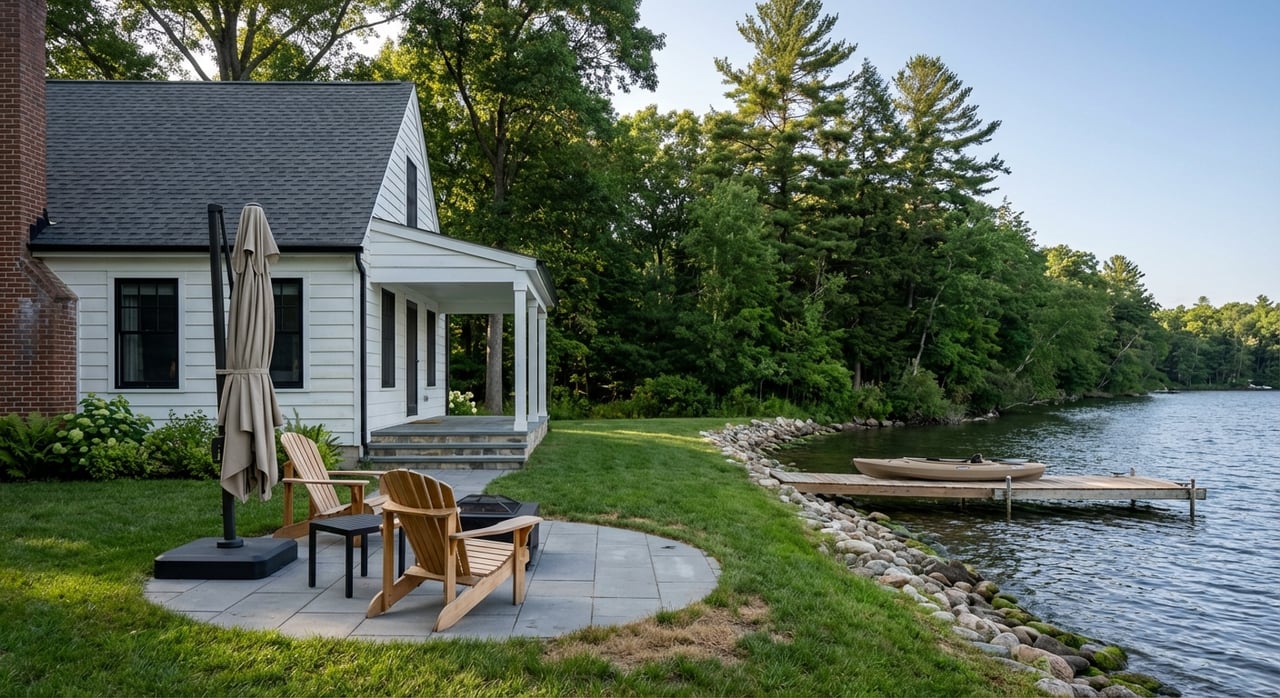
- Docks: Many owners remove docks to avoid ice damage. If yours stays in, secure lines and hardware so it can move with the ice. Remove floats or wood parts if recommended by the manufacturer.
- Boats: Remove boats or have engines and electrical systems fully winterized and batteries handled properly.
- Shoreline: Direct downspouts away from the lake and inspect seawalls or retaining features for loose stones or breaches.
- Local rules: Check with the village office for seasonal dock permits or removal schedules.
Septic and wastewater
Cold ground makes repairs harder, so handle septic needs early.
- Schedule inspection or pumping before winter if due.
- Ask a septic pro if your system benefits from added insulation or snow cover.
- Consult a professional about preventing frozen distribution lines, especially with shallow fields.
Appliances, gas, and ventilation
Reduce risk and moisture while you are away.
- Power down or unplug nonessential appliances. If you leave a fridge on, clean and prop the doors slightly to prevent mold.
- Check vents and flues for clear airflow to prevent carbon monoxide hazards.
- Have outdoor gas lines and appliances inspected and winterized by a qualified technician if they will be idle.
Security, documentation, and insurance
Confirm coverage details and leave a paper trail.
- Insurance: Many policies require notice if a property is vacant or unoccupied for a period. Ask about endorsements and any winterization requirements.
- Flood: Waterfront homes can be in mapped flood zones. Flood insurance is a separate policy from homeowners coverage.
- Security: Lock windows and doors, set light timers, and consider motion lights. Ask a local contact to check the home after big storms.
- Document everything: Photos, checklists, service receipts, and serial numbers. Keep copies of keys provided to vendors.
Seasonal timeline for Bemus Point
Use this schedule to get ahead of the first hard freeze and lake‑effect snow.
Late summer to early fall (Aug–Sep)
- Schedule HVAC and chimney service.
- Book a plumber and septic professional for fall.
- Gather vendor contacts and confirm winter availability.
- Review insurance for vacancy or unoccupancy rules.
Early fall (Sep–Oct)
- Clean gutters and inspect roof and attic.
- Service lawn equipment and drain small engines.
- Arrange dock removal or winter securing.
- Top off fuel tanks and confirm automatic delivery.
Pre‑freeze (late Oct–Nov)
- Complete plumbing winterization. Shut off, drain, and add antifreeze to traps.
- Drain exterior faucets and winterize irrigation.
- Pump septic if due.
- Install remote temperature alerts or thermostats.
- Test sump pump and add a battery backup.
- Leave written instructions and lockbox details for your local contact.
Early winter (Nov–Dec)
- Confirm any scheduled property check was completed.
- Verify alerts and monitors are working.
- Remove remaining valuables and secure outdoor items.
Mid‑winter (Jan–Feb)
- Arrange regular checks by a trusted local person after major storms.
- Monitor alerts and keep your vendor list handy for callouts.
Late winter to spring (Mar–Apr)
- Schedule de‑winterization and a spring systems check.
- Plan dock reinstall and any needed repairs before summer.
Vendor outreach template
Copy and adapt this message for email or voicemail.
- Subject: Winterization service request — [Property address], Bemus Point, NY
- Body:
- “I own the seasonal property at [full address]. I need winterization services (select: full plumbing drain and antifreeze, furnace service, septic pumping, dock winterizing, property checks) before the first hard freeze. I will not be on site and require a written checklist or report and photos after service.”
- “Please provide your earliest available date in [month].”
- “For access, I can provide a lockbox or coordinate with a neighbor.”
- “Please share an estimated flat fee or hourly rate and any typical extra charges.”
- “Please confirm license and insurance details and provide references for seasonal properties.”
- “My contact info is [name, phone, email]. Local emergency contact if available: [name, phone].”
- “Please reply with your availability, estimate, and what you include in your winterization checklist or report.”
Phone script highlights
- Introduce yourself and give the property address.
- Ask if they handle seasonal or remote cottage winterization.
- Request an estimate and what is included, such as photos, a signed checklist, and lockbox procedures.
- Ask about emergency callout fees and typical response times in winter.
Questions to ask vendors
- Do you carry liability and workers’ compensation insurance, and are you licensed for this work?
- What is your experience with seasonal waterfront cottages on Chautauqua Lake?
- Will you provide a signed checklist and photos after service?
- Do you offer emergency winter callbacks, and what is the typical response time?
- How do you price work in winter, flat or hourly, and are there travel or callout fees?
- Can you provide references from Bemus Point or nearby clients?
- For HVAC and fuel, will you check combustion safety and set up remote thermostat alerts if needed?
- For septic and docks, what local best practices or permits should I know about?
Documentation to keep
- Detailed invoices, signed checklists, and photos.
- Contractor contact info and proof of insurance.
- Any manufacturer warranty or inspection reports.
Hazard readiness for lake winters
Bemus Point sees frequent lake‑effect snow, hard freezes, and strong winds. Watch for power outages that can stop heat or sump pumps, and for shoreline flooding during major storms or ice jams. For real‑time weather, advisories, flood maps, and local ordinances, check the National Weather Service Buffalo office, FEMA flood mapping, Chautauqua County Emergency Management, and the Bemus Point village office. Keep these contacts in your emergency list and follow local guidance as conditions change.
Final check before you lock up
Walk the property once more. Confirm water is shut off and drained, thermostats are set, gutters are clear, and docks are removed or secured. Make sure your local contact has keys and your emergency list. If you are still weighing the drain versus maintain heat decision, call your insurer and a local plumber for guidance.
If you are planning a future sale or shopping for a lake getaway, local guidance matters. For seasonal tips and a trusted partner in Chautauqua Lake real estate, connect with The Nielsen Wroda Team.
FAQs
What is the safest thermostat setting for a vacant Bemus Point cottage?
- A common recommendation is 55°F to 60°F, but you should confirm with your equipment manuals and your insurer.
Should I shut off the water if I cannot visit often in winter?
- Yes. If regular checks are not guaranteed, full plumbing winterization with the main shutoff closed and lines drained reduces burst‑pipe risk.
Do I need to take my dock out of Chautauqua Lake?
- Many owners remove docks to avoid ice damage. If you leave it in, secure it so it can move with ice and follow manufacturer guidance for floats and hardware.
Who should I hire to winterize a seasonal cottage?
- A licensed plumber for plumbing systems, an HVAC or boiler technician for heating, a septic contractor for septic needs, and a dock or boat specialist for waterfront items.
What should trigger a local property check during winter?
- Thermostat or water leak alarms, loss of heat or power, and visible storm damage are common triggers for a same‑day check.
Does homeowners insurance change if my cottage is vacant?
- Many policies have vacancy or unoccupancy rules. Call your insurer to confirm notification requirements, endorsements, and any winterization expectations.