Wondering why your Ellicottville rental books in a flash some weekends and lingers on others? In 14731, short‑term rental demand follows a predictable mix of ski season rhythms, festival spikes, and quieter shoulder gaps. When you map those patterns, you can forecast occupancy, set minimum stays, and price with confidence. This guide breaks down weekends, events, and seasons, plus booking windows you can use to model revenue for your property. Let’s dive in.
The seasonal cycle in 14731
Peak winter: mid‑December to March
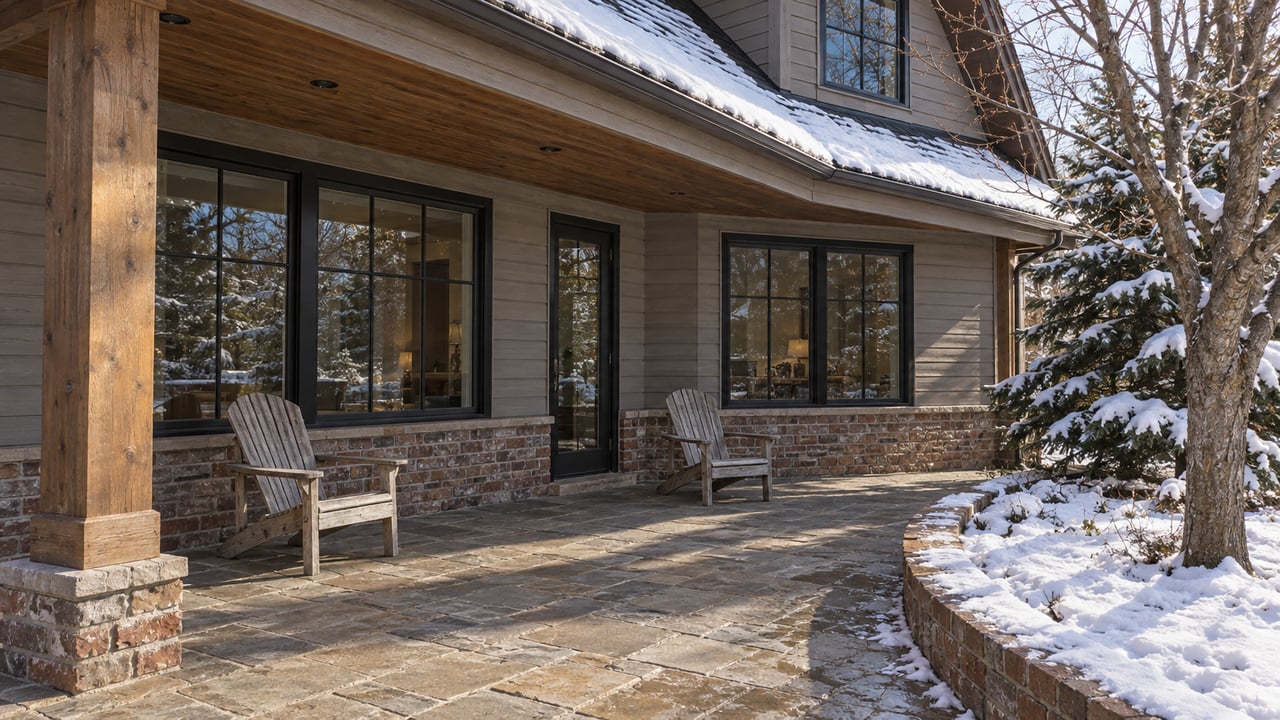
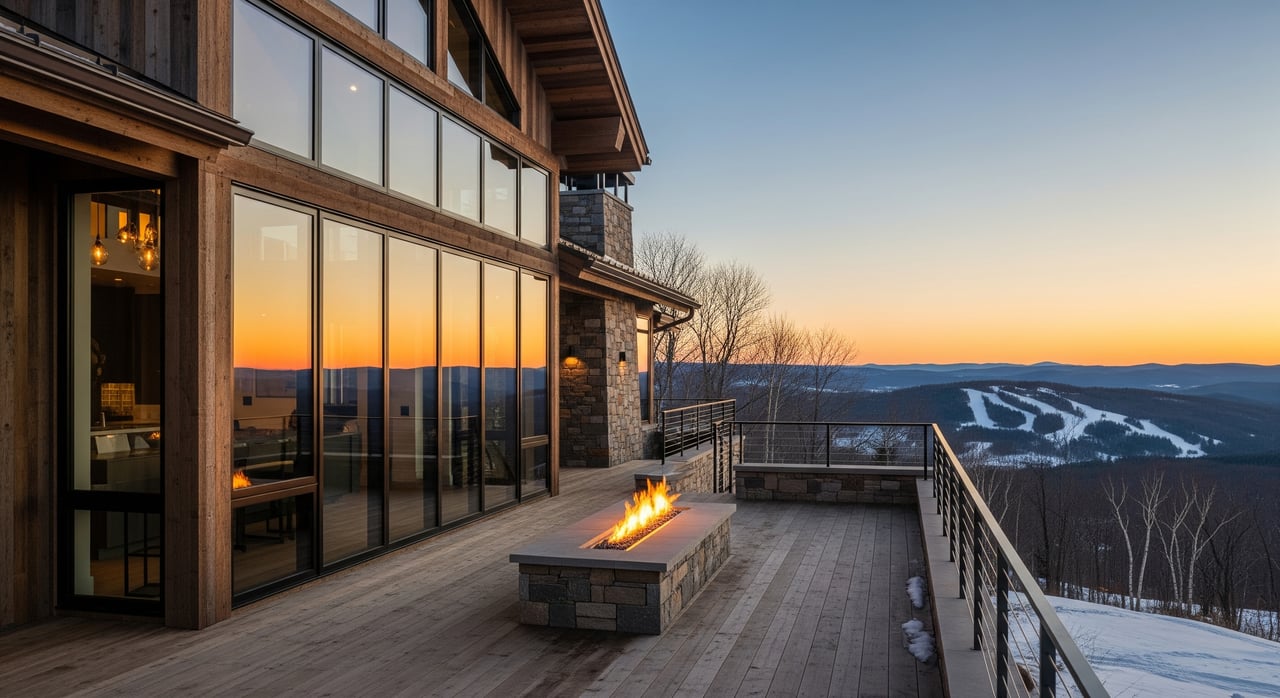
Ski season is the engine of Ellicottville demand. From mid‑December through March, weekend occupancy is typically very strong, with late December through early January and Presidents’ Day week often the hottest stretches. Holiday Valley lift access, night skiing, and steady weekend traffic from Western New York drive bookings. Ski‑in or shuttle‑friendly homes can command premium ADR and see fewer gaps, especially if you offer gear storage and boot drying.
Fall foliage and festivals
From mid‑September to mid‑October, fall colors and festival weekends bring a burst of visitors. Expect weekend‑heavy stays and bookings 1 to 3 months out for standard fall weekends. High‑profile festival dates often book earlier. Centrally located homes can approach full weekend occupancy when a major festival hits.
Summer outdoors and weddings
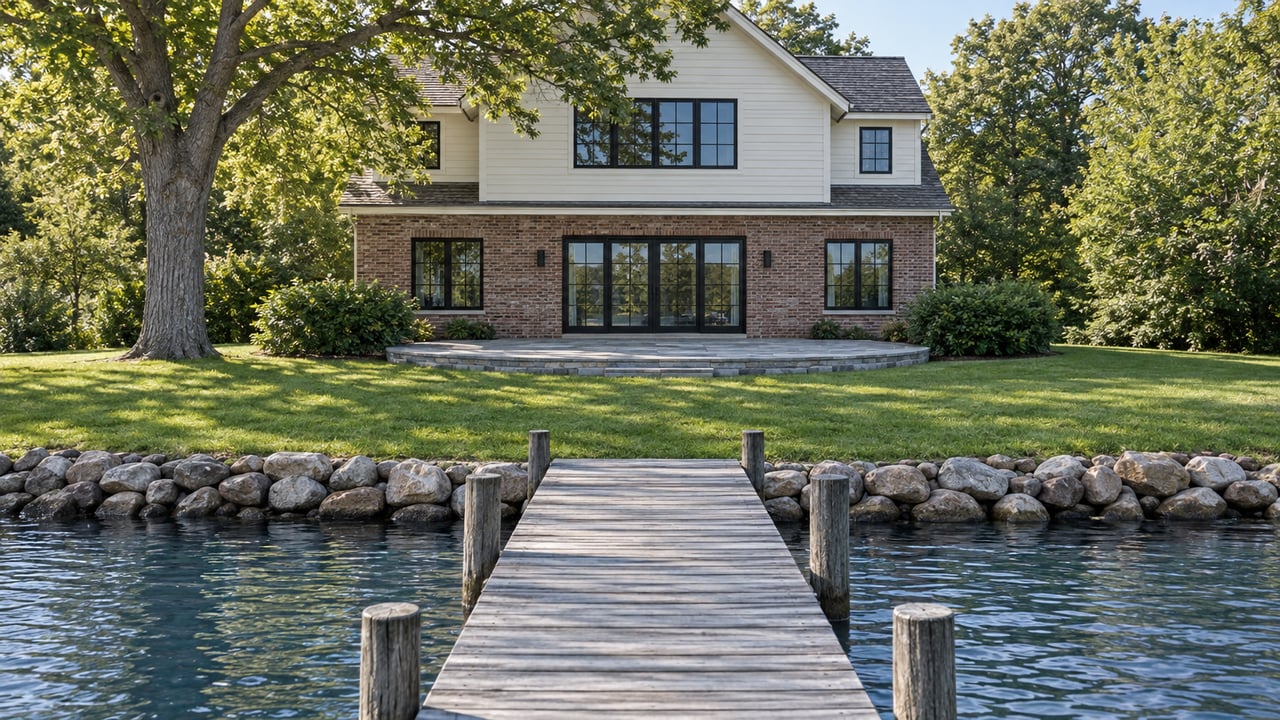
June through August brings hikers, mountain bikers, golfers, and wedding parties. Families and groups plan ahead, with many summer stays booked 2 to 6 months in advance. Midweek demand improves during summer compared to other seasons, and some longer stays appear as guests stretch vacations.
Shoulder seasons and late fall
April to early June and late October to November are softer. Occupancy becomes more price sensitive and last‑minute. You can still capture business from occasional events or weather swings, but expect shorter lead times and a need for sharper pricing and marketing.
Holiday weekends to watch
Thanksgiving, Christmas to New Year, Presidents’ Day, Memorial Day, Labor Day, and Indigenous Peoples Day weekends typically draw strong interest. These dates often book far in advance and support multi‑night minimums.
Event‑driven weekends that move the needle
Holiday Valley ski weekends
Regular ski weekends produce reliable 2 to 3 night bookings, often Friday to Sunday. Snowy forecasts can spark last‑minute surges, while holiday and school‑break weeks fill much earlier. Monitor resort programming, race schedules, and lift promotions to anticipate spikes.
Local festivals and signature events
Food and beverage festivals, fall celebrations, arts and music weekends, and winter carnivals can push weekend occupancy to near 100 percent for well‑located homes. The closer your property is to village attractions and resort access, the stronger the uplift you may see during these dates.
Weddings and private gatherings
Ellicottville is a regional draw for weddings and reunions. Larger homes with multiple bedrooms benefit from 2 to 3 night weekend blocks that are often reserved 6 to 12 months ahead. Consider calendar holds or flexible arrival days to accommodate event parties while protecting turnover schedules.
Sports and race weekends
Ski races, trail runs, mountain biking events, and golf tournaments bring niche demand. These are often single‑day competitions that translate into 1 to 2 night stays. Adding secure gear storage and easy parking helps convert these bookings.
How far ahead guests book
Holiday weeks and major festivals
Plan for 3 to 12 months of lead time. Christmas and New Year often land in the 6 to 12 month range. These dates support higher ADR and stricter, possibly nonrefundable policies to reduce churn.
Regular ski weekends
Lead time is commonly 1 to 3 months. Powder alerts and extended cold snaps can drive last‑minute bookings. Weekend nights run hottest, so a minimum 2‑night rule can improve calendar efficiency.
Summer and wedding season
Expect 2 to 6 months of planning for groups and families, with some lodging blocks set even earlier. Midweek demand is stronger in summer, especially for longer stays.
Shoulder season and off‑peak
Most bookings land 0 to 4 weeks out and are sensitive to price, value, and flexible cancellation policies.
Build your 12‑month demand plan
Step 1: Combine calendars
Create a rolling 12‑month spreadsheet that aggregates the Holiday Valley resort event calendar, the Ellicottville Chamber of Commerce listings, Cattaraugus County tourism events, Visit Buffalo Niagara highlights, and nearby college calendars such as St. Bonaventure for graduation and homecoming weekends. Refresh quarterly.
Step 2: Tag each event
Label events by expected impact. Use simple buckets like high, moderate, or low. Note the primary audience such as skiers, festivalgoers, wedding parties, or sports participants. Add a typical lead‑time range so you can open rates and minimums at the right moment.
Step 3: Set baseline seasonality
Outline baseline occupancy by season for your property type. Winter weekends are your peak baseline, weekdays moderate. Fall weekends see a strong lift. Summer weekends are steady. Shoulder months are lower. Adjust these baselines based on your location and amenities.
Step 4: Apply event uplifts
Layer event multipliers over the baseline. Major festivals and holiday ski weeks can push a well‑located home to near full weekend occupancy. Moderate events still produce meaningful weekend gains. Small events may have limited impact unless they are next door.
Step 5: Calibrate minimum stays and policies
Standard weekends often perform best with 2‑night minimums. Major holidays and festivals typically carry 3 nights. Around Christmas and New Year, many hosts find 3 to 4 nights is appropriate. Consider stricter cancellation and deposits for high‑demand dates.
Step 6: Price by date and channel
Use a weekend premium across high‑demand periods and event surcharges for named dates. Keep shoulder season rates nimble to capture last‑minute bookings. Align minimum nights and pricing by platform, and consider incentives for repeat direct guests to reduce fees.
Sample assumptions you can adapt
Baseline by season
- Winter weekends: treat as peak baseline with limited vacancy.
- Winter weekdays: moderate occupancy relative to weekends.
- Fall foliage weekends: strong uplift versus baseline.
- Summer weekends: moderate baseline with event boosts.
- Shoulder months: low baseline, highly price sensitive.
Event uplifts
- Major festivals or holiday resort weeks: can push weekend occupancy near 100 percent for central or shuttle‑proximate homes.
- Medium events: expect a visible weekend bump and earlier pickups.
- Small local happenings: minimal lift beyond immediate surroundings.
Booking probabilities by lead time
- More than 6 months: mostly holiday weeks, major festivals, and wedding groups.
- One to three months: core of ski and summer weekend bookings.
- Less than 1 month: last‑minute, price‑sensitive travelers.
Property features that boost bookings
Ski‑oriented amenities
Ski storage, boot dryers, a mudroom, and easy parking remove friction and can justify higher ADR in winter. Slope views or a quick shuttle walk often translate into shorter vacancy.
Group‑friendly layouts
Multiple bedrooms, open living spaces, and smart sleeping configurations appeal to wedding parties and family groups. Thoughtful house rules and clear guest counts help protect your home while welcoming larger parties.
Pet and gear policies
Pet‑friendly options can widen your booking pool. Clear policies, cleaning standards, and a small pet fee can balance demand with care for the home. Offer racks and hoses for bikes and outdoor gear in summer.
Pricing and distribution tips
Rate strategy by date
- Use a weekend premium during winter, fall, and event periods.
- Add event surcharges on high‑profile weekends and holidays.
- Loosen rates in shoulder months to capture late bookers.
Minimums and deposits
- Standard weekends: 2 nights is common.
- Major holidays and festivals: 3 nights or more.
- Christmas and New Year: 3 to 4 nights with stricter deposits and cancellation terms.
Channel mix
- List on multiple platforms and adjust rules by channel.
- Encourage repeat direct bookings for returning guests to cut fees.
- Watch platform insights for demand signals and adjust dynamically.
Quick reference checklists
Weekend and event setup
- Load a 12‑month calendar of resort, chamber, county, and college events.
- Tag each weekend as peak, event, or shoulder and set minimum stays.
- Open high‑demand dates for sale 9 to 12 months out where appropriate.
Pricing moves by season
- Winter: strong weekend premium, event surcharges.
- Fall: premium on festival weekends, steady base otherwise.
- Summer: adjust for weddings and longer midweek stays.
- Shoulder: dynamic, value‑focused rates and flexible terms.
Operations readiness
- Align cleaners for back‑to‑back weekend turns in peak season.
- Stock ski and bike amenities by season. Rotate supplies.
- Confirm parking, access instructions, and contact info are crystal clear.
Ready to model your STR?
Pull a two‑year event view, set your baseline by season, and layer in uplifts and minimums using the guidance above. Validate your assumptions with market reports and platform host insights for 14731. If you are weighing a purchase or prepping a listing, a clear plan around weekends, events, and seasons can improve both revenue and guest experience.
If you want local, concierge‑style guidance as you evaluate investment options in Western New York resort markets, reach out to The Nielsen Wroda Team. We can help you assess property fit, pricing strategy, and resale potential so you move forward with confidence.
FAQs
What are the busiest months for Ellicottville STRs?
- Peak demand typically runs mid‑December through March, with late December to early January and Presidents’ Day week often the strongest.
How early do holiday and festival weeks book in 14731?
- Expect 3 to 12 months of lead time, with Christmas and New Year often 6 to 12 months out.
Do midweek nights ever beat weekends in Ellicottville?
- It is uncommon, but summer midweek vacations or extended event weeks can close the gap compared to weekends.
Which weekends deserve longer minimum stays?
- Major festivals and holiday periods typically support 3 nights, while standard ski weekends perform well with 2 nights.
How should I handle last‑minute demand in shoulder seasons?
- Use flexible, value‑oriented pricing and consider more lenient terms to capture bookings 0 to 4 weeks out.
Where can I find events to forecast occupancy?
- Combine the Holiday Valley resort calendar, Ellicottville Chamber listings, Cattaraugus County tourism events, regional event calendars, and nearby college schedules.