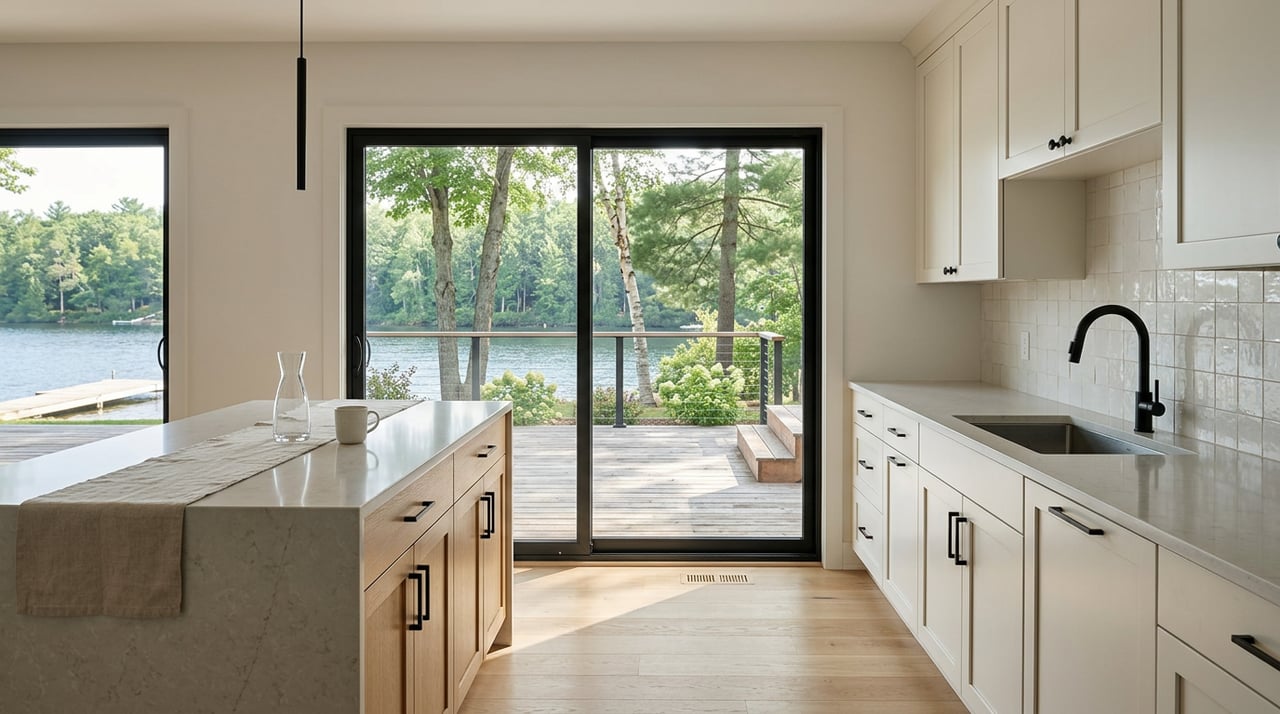
Imagine stepping onto your dock at sunset, the water calm and the village lights of Bemus Point just beginning to glow. If you are picturing a lakefront retreat in 14712, you also know the right home takes smart planning. In this guide, you will learn how shoreline type, local rules, docks, flood maps, and due diligence affect value and everyday use on Chautauqua Lake. You will also get a practical checklist to move from dream to keys with confidence. Let’s dive in.
What drives value on Chautauqua Lake
Shoreline, depth, and orientation
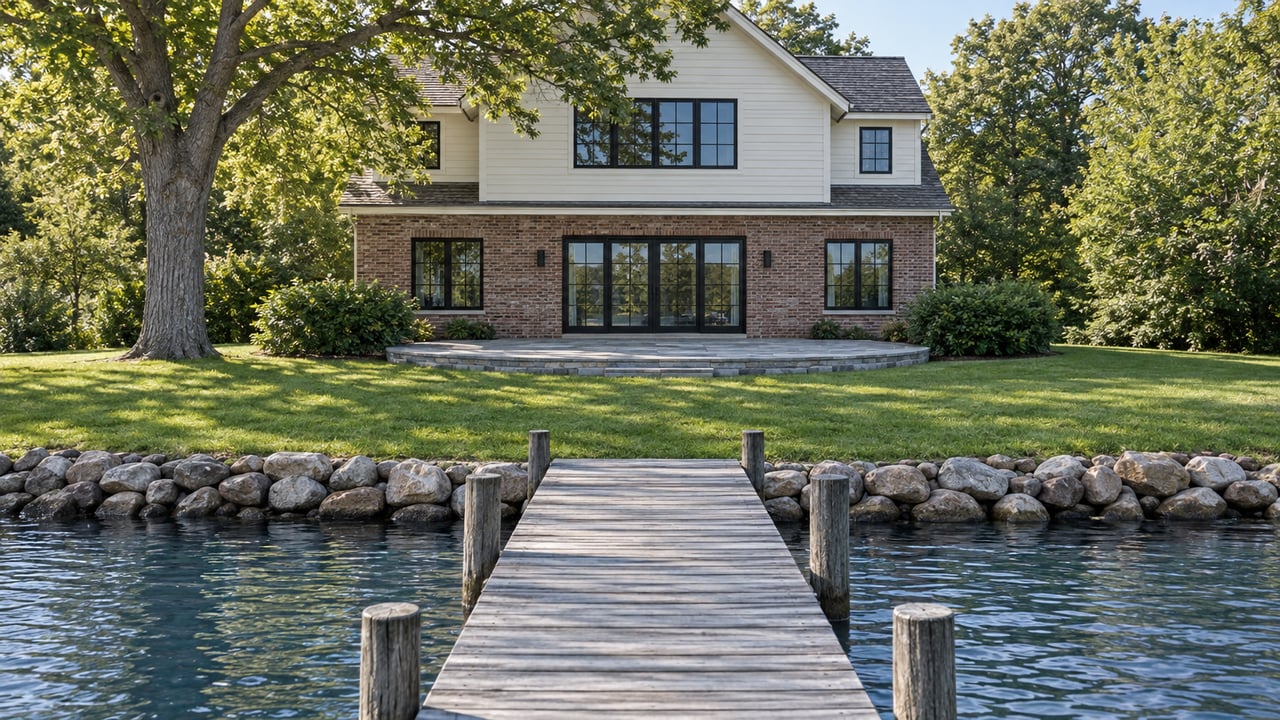
Not all shorelines live the same. Confirm the exact frontage in feet, the bank slope to the water, and the depth off the end of the dock. Pay attention to bottom type and orientation, since a sandy bottom, gentle entry, and west-facing views for sunsets often mean easier use and stronger resale.
Back up listing claims with a survey and site inspection. A flat lawn-to-water transition and reliable depth can support swimming and boating with fewer compromises. Rocky edges or steep banks can still be great, as long as they match your goals and budget for improvements.
Dock rights and mooring details
Ownership and permitted use of docks vary by property type. Some single-family homes have private docks, while condo communities may assign or deed slips and manage common waterfront. If a slip or dock is part of the purchase, verify whether the right is deeded, leased, or association-managed and confirm that any existing structure is properly permitted.
If you plan to add or enlarge a dock, expect a permitting review. New York State has permitting authority for most in-water structures, and municipalities can add their own procedures under the Chautauqua Lake Local Waterfront Revitalization Program. You can review agency roles within the Chautauqua Lake program in the state’s summary of the Local Waterfront Revitalization Program.
Shoreline stabilization and flood risk
Breakwalls, rip-rap, and similar stabilization generally require state review, and some towns add local approvals. Before you plan any shoreline work, confirm local procedures and the state’s Article 15 triggers, which are summarized in the Chautauqua Lake LWRP.
Flood status also matters for value and carrying costs. FEMA continues to update maps in many lake communities, so verify flood-zone designation and any base flood elevation before you finalize financing. You can reference recent FEMA map activity noted in the Federal Register to understand why updates matter for insurance by checking the FEMA mapping notices.
Know the rules before you buy
Village vs. Town zoning and setbacks
Bemus Point lakefront can fall under the Village of Bemus Point or the Town of Ellery. Start by confirming which jurisdiction applies to the parcel. The Village Clerk can provide the official zoning map and explain any supplemental lakeshore rules, and the Village is currently updating its code, so request the most recent map from the Village of Bemus Point office.
Outside the Village, the Town of Ellery’s zoning law includes specific Lakeshore Regulations, including a typical 50-foot setback for principal residential structures measured from the lake, based on a defined high-water elevation. The rules also limit certain accessory buildings close to the shore and restrict dock use to non-commercial, authorized users unless permitted. You can review the lakeshore section directly in the Town of Ellery Zoning Law.
Docks, dredging, and in-water work
New York State DEC regulates most construction and disturbance in navigable waters under Article 15. Small private docks can sometimes be exempt, but larger docks, dredging, and shore stabilization usually require permits and may also trigger federal review. The Chautauqua Lake LWRP explains how municipal, state, and federal roles fit together, and why many towns require additional permits or site plan review for docks and shoreline projects.
For any lakefront you are considering, assume that dock and shoreline projects will require planning, documentation, and multiple approvals. Build that time and cost into your decision-making.
Permits and proof you should see
Ask the seller for written documentation of any existing dock, wharf, or shore stabilization work. This includes original permits, as-built plans, and any state or federal correspondence. You should also verify whether submerged lands under the dock are state-owned and whether additional approvals were required. The state’s guidance on structures in state-owned waterbodies provides background on public-trust principles and permitting basics for submerged lands and riparian use. For context, review the OGS guidelines for structures on state-owned waterbodies.
Market expectations in 14712
Bemus Point is a small, desirable lake village, which means sales data can look different across sites due to thin inventory and limited closings in any given month. For a working framework, you will see a spread from smaller lakefront cottages in roughly the low to mid hundreds of thousands, move-up renovated homes in the mid to high hundreds of thousands, and larger or newly built estates in the one to two million range. Always anchor pricing to current MLS data for your exact search window and property type.
Think in bands rather than absolutes. Many buyers start by weighing a smaller, ready-to-enjoy cottage against a larger home that might need shoreline or dock improvements. Your final price target will depend on frontage, depth, orientation, and the permit path for any changes you want to make.
Practical due diligence checklist
Use this checklist to confirm the most important items before you write an offer.
- Confirm municipal jurisdiction and request the official zoning map, lakeshore rules, and any pending code changes from the Village of Bemus Point office or review applicable provisions in the Town of Ellery Zoning Law.
- Request written documentation for existing docks, wharfs, or shoreline structures, including any DEC Article 15 permits, water quality certifications, and federal approvals, as summarized in the Chautauqua Lake LWRP.
- Order a current land survey that shows measured lakeshore frontage and confirm any easements, rights-of-way, and riparian or littoral rights with your title attorney. Cross-check whether any dock or slip right is deeded or leased. Background on submerged land rights can be found in the OGS water-structure guidance.
- Start the Chautauqua County Water & Sewage Survey process early if the property has a private well or septic. Review the county’s transfer requirements and budget for potential updates using the county Water and Sewage Survey resource.
- Verify flood-zone status and any Base Flood Elevation against the latest FEMA mapping. Map updates can change insurance requirements and premiums, which is why the FEMA mapping notices are useful for understanding recent changes.
- Hire a qualified shoreline or marine contractor to inspect docks, pilings, seawalls, and bank stability. Factor capital improvements into your offer and timeline.
- Require septic pumping records and current well water testing, where applicable, and plan for a deeper review if systems are older or unpermitted. The county’s survey page outlines transfer inspections.
- Confirm boating and safety requirements for everyone who will operate a vessel. New York outlines certification, clean-drain-dry practices, and equipment standards at NYS Parks Boating.
- For condos or communities with shared waterfront, review full HOA documents, including dock-allocation rules, maintenance obligations, and policies related to rentals.
- Get insurance quotes for homeowners and flood coverage that reflect actual shoreline conditions and structures. Use your lender’s flood requirements and the latest FEMA map status as a guide.
Life on the lake: recreation and safeguards
Chautauqua Lake offers boating, paddling, and easy access to launches, including popular state park facilities. To enjoy the water safely, keep up with seasonal advisories and follow best practices. State agencies track boating rules and promote Clean, Drain, Dry steps to limit aquatic invasive species, which you can review at NYS Parks Boating.
Water bodies in New York can experience Harmful Algal Blooms during summer. When that happens, public swimming areas may post temporary advisories. If swimming is a priority, ask for recent seasonal history and consider water testing options as part of your inspection process.
How The Nielsen Wroda Team helps
Buying lakefront in Bemus Point is about more than finding a view. You need clarity on shoreline value drivers, permits, inspections, and insurance so your home works the way you expect. As a boutique team focused on Chautauqua Lake and nearby resort markets, we combine hyper-local insight with concierge guidance for both local and out-of-area buyers.
We help you refine search criteria around frontage, depth, and orientation, validate pricing with live MLS data, and organize the due diligence steps that protect your purchase. If you are exploring off-market opportunities or need a remote closing, we can guide that process with clear communication and careful coordination. When you are ready to move from research to action, reach out to The Nielsen Wroda Team for a focused, local plan.
FAQs
What permits do I need to rebuild a dock on Chautauqua Lake in Bemus Point?
- Many dock projects require state review under Article 15 and may also involve municipal approvals; check the permitting overview in the Chautauqua Lake LWRP and confirm requirements with the applicable village or town office.
How far back from the water can I build in the Town of Ellery?
- The Town of Ellery Zoning Law includes a typical 50-foot setback for principal residential structures measured from the lake’s defined high-water elevation; see the lakeshore section in the Town of Ellery Zoning Law.
How do I verify if a Bemus Point property is in a flood zone?
- Review the property’s FEMA Flood Insurance Rate Map status and any Base Flood Elevation, noting that maps change; recent activity appears in the FEMA mapping notices.
How are dock slips handled in Bemus Point condos?
- Condos may deed, assign, or lease slips through the HOA; request full association documents to confirm rights, maintenance obligations, and allocation rules before you buy.
Are Harmful Algal Blooms a concern on Chautauqua Lake?
- HABs can occur seasonally and may prompt advisories at public access points; follow current guidance and Clean, Drain, Dry practices at NYS Parks Boating.
What price range should I expect for Bemus Point lakefront homes?
- Expect a range from smaller cottages in the low to mid hundreds of thousands, move-up homes in the mid to high hundreds of thousands, and larger or newer estates in the one to two million range, with final pricing guided by current MLS data and property-specific factors.