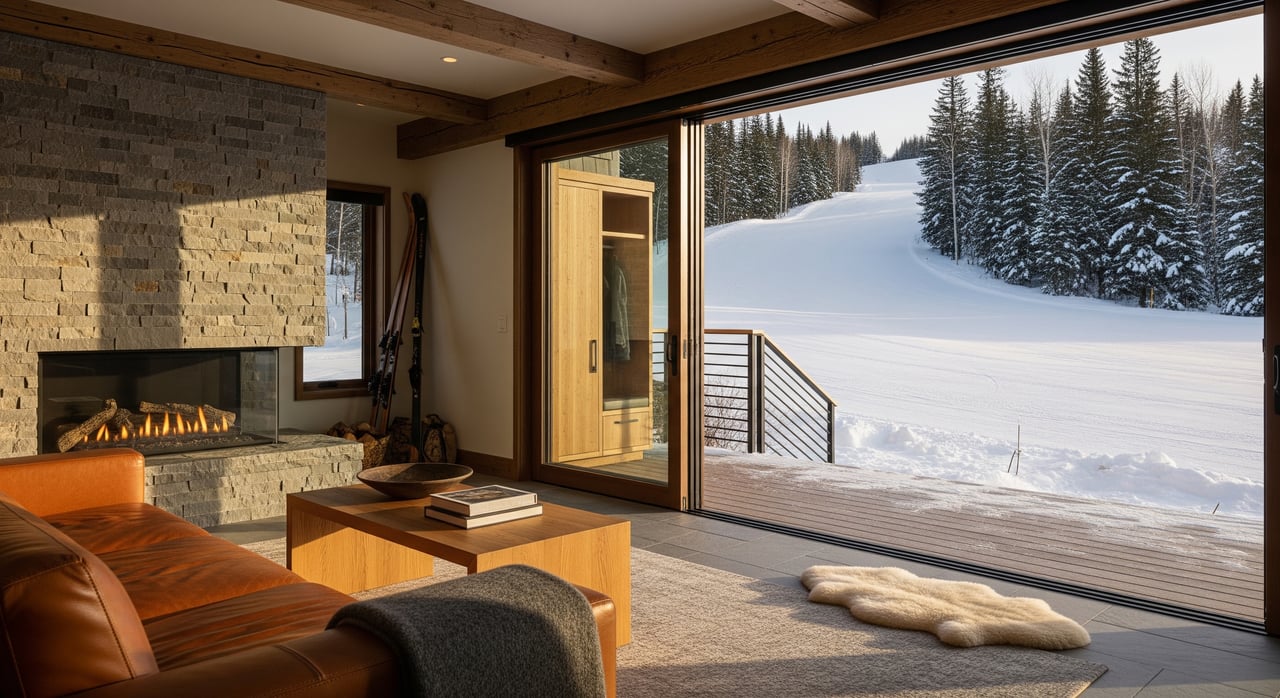
Picture yourself clicking out of your bindings at your front door after a perfect day on the slopes. That is the promise of a ski-in/ski-out condo in Ellicottville. It is also a big purchase with unique rules, costs, and tradeoffs. In this guide, you will learn what ski-in/ski-out really means here, how to budget and finance, what to expect if you plan to rent, and how to protect your investment with smart due diligence. Let’s dive in.
Why Ellicottville draws buyers
Ellicottville serves two major ski hubs in ZIP 14731. Holiday Valley is a public resort with a lively base area. HoliMont is a large private ski club. These two destinations drive most slopeside lodging demand.
You benefit from more than winter. The village and resort activities create year-round reasons to visit. Summer mountain biking, fall colors, festivals, weddings, and event weekends support shoulder-season stays.
If you plan to rent when you are not using the condo, that mix matters. Peak occupancy clusters around holidays and weekends in winter, but off-peak calendar weeks can still attract travelers.
What ski-in/ski-out really means
True ski-in/ski-out
True ski-in/ski-out means direct, maintained access from the unit or complex to a groomed run or a lift without using a vehicle or crossing public roads. Guests expect to clip in near the door and glide to the lift. In winter, this convenience commands a premium.
Walk to lift or shuttle
Many listings are slopeside but not truly ski-in/ski-out. A short walk, a shuttle, or a crossing over a service road can still be very attractive. Set accurate expectations for guests and for your own use.
Who maintains the access
Ask who maintains the access path. It can be the HOA, the resort, or the town. Confirm if access is seasonal or year-round, and whether snowmaking or grooming affects that path. These details can affect both your winter experience and your HOA costs.
Condo types and features that rent well
Layouts and capacity
- Studio or efficiency: Lower price and strong yield per square foot, with limited family appeal.
- One bedroom: Good fit for couples and small families. Often a strong balance of cost and revenue.
- Two bedrooms and lock-offs: Best for families and groups. Higher gross potential, but a higher purchase price and higher operating costs.
- Bunkrooms or sleeping alcoves: Increase capacity. This can help weekend occupancy for family groups.
Features travelers value
- Full kitchen for longer stays and family trips.
- Washer and dryer in unit or nearby.
- Ski lockers and a practical mudroom entry for gear.
- Private balcony or slope views that help listings stand out.
- Parking, elevator access, and sensible pet policies.
Amenities vs HOA fees
Resort-style amenities boost demand, but they raise monthly dues.
- Pools, hot tubs, saunas, and fitness rooms.
- On-site dining, front desk or concierge, and ski valet.
- Shuttle service to the village and heated or underground parking.
Balance your wish list with your budget. More amenities can raise both appeal and long-term maintenance costs.
Understand the costs
HOA fees and reserves
Expect HOA dues at resort properties to trend higher than standard condos. Fees often cover building insurance, exterior maintenance, common utilities, snow removal, amenity upkeep, and reserves. Ask for the current budget, reserve study, and any history of special assessments. Slopeside buildings can face costly exterior work over time.
Taxes and utilities
Review recent property tax bills and tax history with the county assessor records. Check what utilities are included in the HOA. You will likely pay for heat, electricity, internet, and seasonal services if not included. Winter conditions can add costs for snow removal or special winter assessments.
Insurance and liability
Most associations carry a master policy. You will still need an HO-6 policy for the interior, improvements, contents, and liability. If you rent, you may need additional liability or host coverage. Ask about loss of rental income coverage if damage makes the unit unusable.
Management and rental costs
If you plan to rent, model these items:
- Management fees: Often 15 to 35 percent of gross revenue depending on services.
- Housekeeping and linen costs per stay.
- Platform commissions and payment processing fees.
- Local lodging and occupancy taxes you must collect and remit.
Build conservative pro formas. Include reserve contributions for future capital work and a cushion for unexpected repairs.
Financing your purchase
Second home vs investment loan
Your loan options depend on how you will use the condo. A second home loan can differ from an investment loan for down payment, interest rate, and documentation. If you intend to rent often, lenders may classify the purchase as an investment. Be clear with your lender about your plan.
Condo project review and resort programs
Many lenders require that the condo project meet agency guidelines. If the unit is inside a resort rental program, lenders may review it differently. Confirm early whether the project qualifies and what documents are needed. This helps you set timelines and avoid surprises.
Renting your unit in 14731
Seasonality and revenue modeling
Winter is peak. Holidays, weekends, and February school breaks drive the highest rates and occupancy. Summer activities, village events, weddings, and fall foliage create solid shoulder-season demand. Late spring and parts of early fall can be slower. Plan for uneven cash flow across the year and build your annual model with conservative occupancy.
Local rules, taxes, and HOA restrictions
Short-term rental rules depend on the Village of Ellicottville, Cattaraugus County, and your HOA. Check licensing, maximum occupancy, parking, and noise rules. Expect to register and remit state and local lodging taxes. Some HOAs limit rental days, set minimum stay lengths, or prohibit rentals. Verify all rules before you make an offer.
Data and pricing tools
Use historical short-term rental analytics to estimate nightly rates and occupancy in the 14731 area. Local property managers and resort lodging desks can share trends for similar unit types. Ask for actuals when possible, not only projections.
Federal tax basics for mixed use
If you rent and also use the property yourself, know the IRS rules. When personal use is fewer than 15 days in a year or less than 10 percent of rented days, the tax treatment can differ from a property used more for personal stays. Keep careful records. A CPA with vacation rental experience can help you apply the correct rules and deductions.
Due diligence checklist
Use this list to reduce surprises and strengthen your negotiating position.
Documents to request
- HOA bylaws, declaration, rules and regulations.
- Recent HOA meeting minutes, current budget, and bank statements for reserves.
- Master insurance certificate and summary of coverage and deductibles.
- Reserve study, list of recent and pending special assessments, and planned capital projects.
- Two to three years of actual rental statements that show gross revenue, net revenue, occupancy by month, average daily rate, platform mix, and cancellation trends.
- Floor plan, legal description, deed restrictions, ski access easements, assigned parking and storage.
- Seller disclosures, past insurance claims, and any pending or past litigation.
Inspections and physical review
- Standard home inspection for HVAC, plumbing, electrical, and roof or water intrusion risks.
- Check exterior doors and entry seals for winter performance.
- Ask about winterization history and any seasonal damage the HOA has documented.
Questions for the HOA or manager
- Who maintains the ski access and who pays for it?
- Is the project in good standing for major lenders?
- What are the rental rules and the process to join a rental or resort program?
- Are there minimum stay limits or caps on rental days or platforms?
- Have there been special assessments in the past 5 to 10 years and are any planned?
Sources to confirm
- Local MLS for comparable sales and days on market.
- County assessor for tax history and parcel data.
- Short-term rental analytics for rates, occupancy, and seasonality.
- Local property managers and resort lodging teams for operating details.
- A CPA and an attorney experienced in New York vacation properties and HOA law.
Key risks to plan for
Seasonality and cash flow
Most income arrives in winter. If snow is light or timing is off, revenue can dip. Keep a reserve and price conservatively.
Climate variability
Lower snow years or shorter seasons can reduce demand. Review snowmaking capabilities and past season lengths as part of your risk view.
Liquidity and resale
Slopeside condos often command a premium. Off-season liquidity can be thin. Resale depends on resort health, HOA condition, and broader second-home trends.
HOA and special assessments
Ski-area adjacency can mean higher exterior wear. Reserve adequacy matters. A strong reserve study reduces the chance of sudden, large assessments.
Regulatory and program changes
Local rules for short-term rentals can change. HOA boards can tighten rental limits. Either can affect your revenue model.
Insurance and liability
Slope access and winter conditions raise liability exposure. Review your coverage limits and consider an umbrella policy if you rent.
Remote management
If you are not local, plan for reliable property management, on-call maintenance, and winter access services. Turnovers during storms require strong logistics.
A simple path to a confident purchase
- Get pre-approved and decide whether you will buy as a second home or an investment. This affects loan terms and underwriting.
- Align your team early. Speak with a CPA about IRS rules and deductions and hire an attorney who knows New York HOA transactions.
- Request full HOA and financial documents before you commit. Study reserve strength, rental rules, and any planned projects.
- Build a conservative pro forma. Use real rental statements and current fee schedules. Include reserves and a winterization budget.
- Plan operations. Decide on self-management or a local manager, set a pricing strategy by season, and map out your owner-use calendar.
Work with a local resort specialist
Buying a slopeside condo should feel exciting, not stressful. You deserve clear advice, thorough due diligence, and help coordinating from afar. Our team provides boutique, concierge-style guidance for resort and vacation property purchases, with the systems to support remote buyers and sellers.
If you are thinking about a ski-in/ski-out condo in Ellicottville, let us help you compare access types, review HOA health, and model rental outcomes with care. Reach out to The Nielsen Wroda Team to start a focused, no-pressure conversation about your goals.
FAQs
What qualifies as ski-in/ski-out in Ellicottville?
- True ski-in/ski-out means maintained, direct access from your unit or complex to a groomed run or lift without using roads or vehicles. Anything requiring a short walk or shuttle is usually walk to lift, which is still valuable but different.
How do HOA fees at ski resorts compare to typical condos?
- Resort HOA fees are often higher because they include snow removal, common utilities, amenity upkeep, and larger reserve needs. Request budgets and the reserve study to understand the long-term picture.
Can I operate a short-term rental in the Village of Ellicottville?
- It depends on current local ordinances and your HOA rules. Expect registration and lodging tax requirements, and confirm limits on occupancy, parking, noise, and minimum stay length before you buy.
What loan type fits a slopeside condo I plan to rent?
- If you expect frequent rentals, lenders may treat the purchase as an investment property with larger down payments or different rates. Be clear about your plan and confirm the condo project’s eligibility early.
What insurance do I need for a rental-friendly ski condo?
- Your HOA master policy will not cover everything. You will need an HO-6 policy for interior improvements, contents, and liability. If you rent, consider extra liability or host coverage and ask about loss of rental income protection.