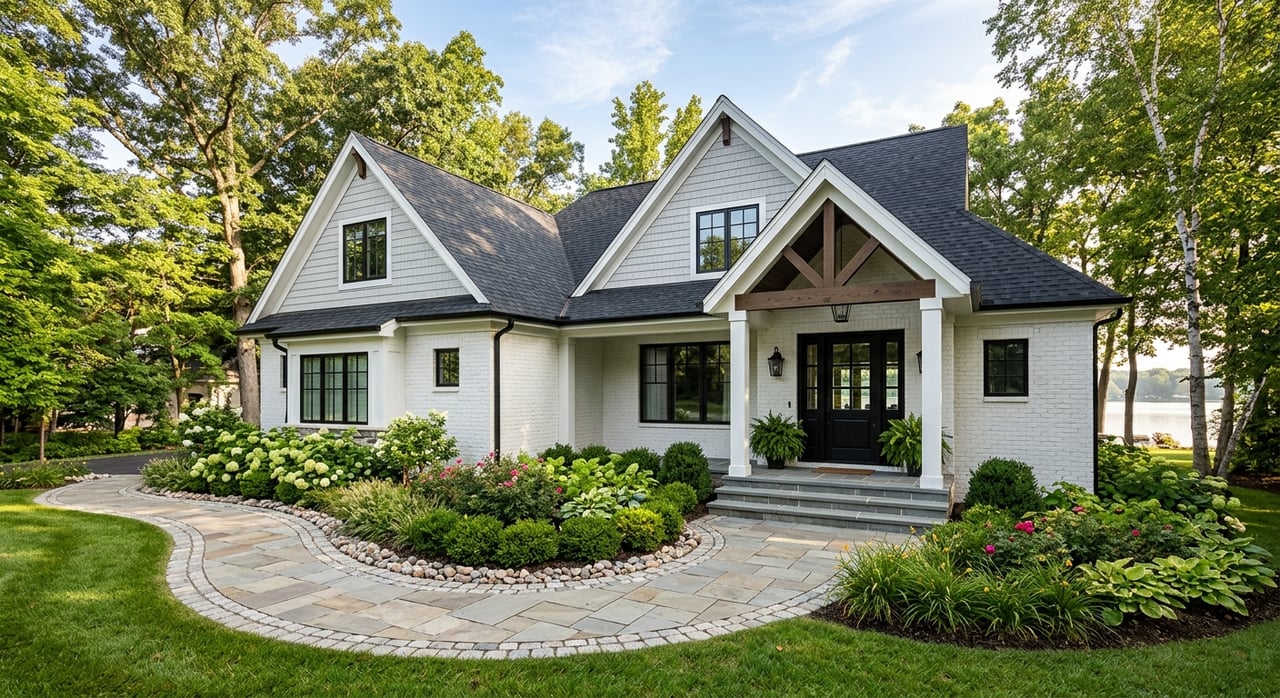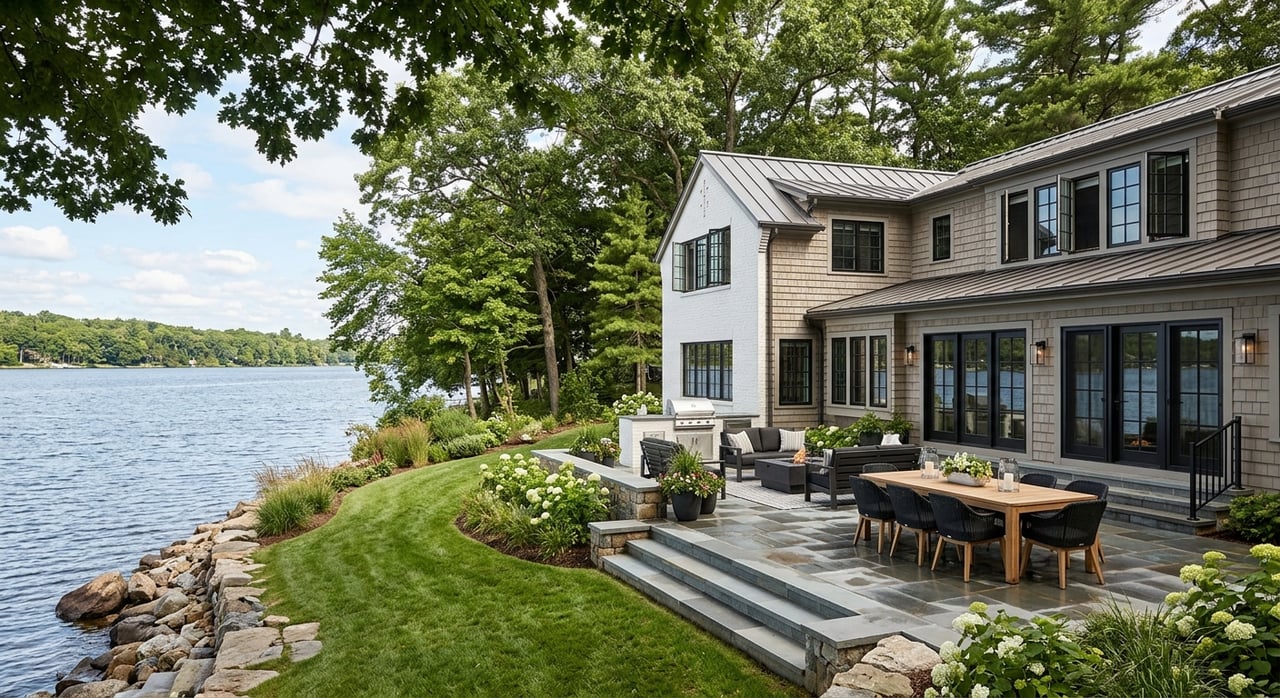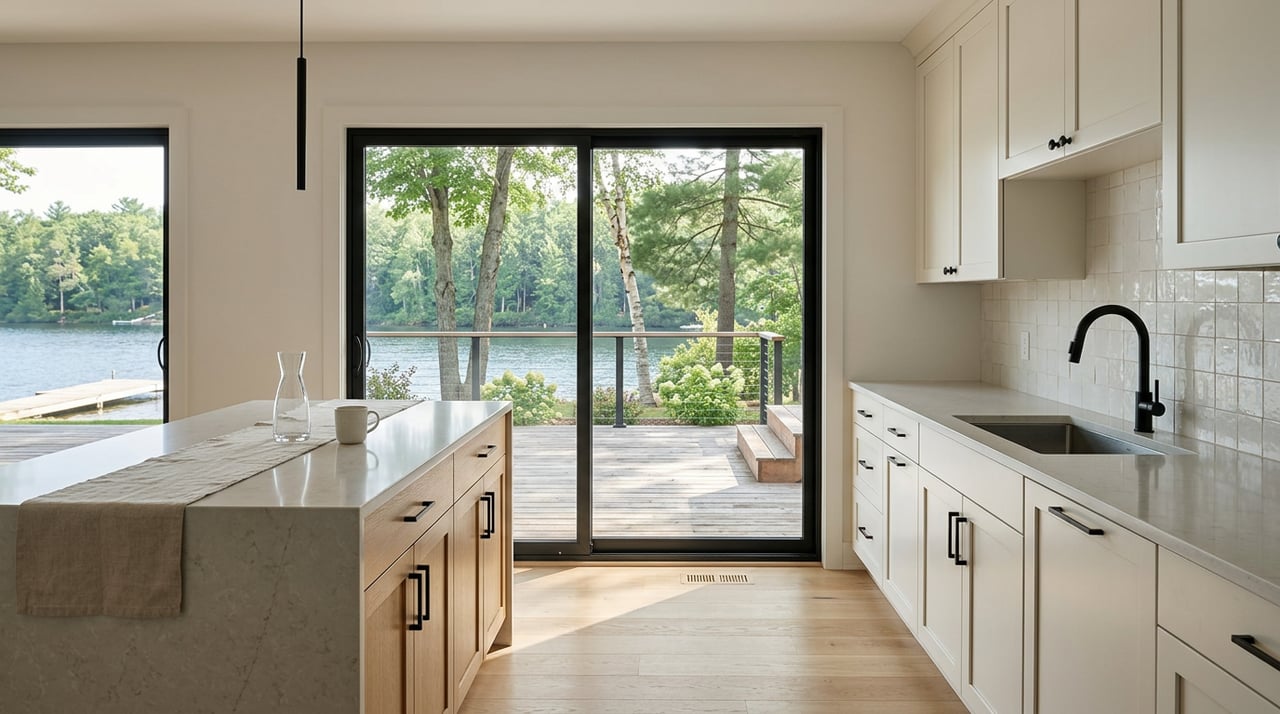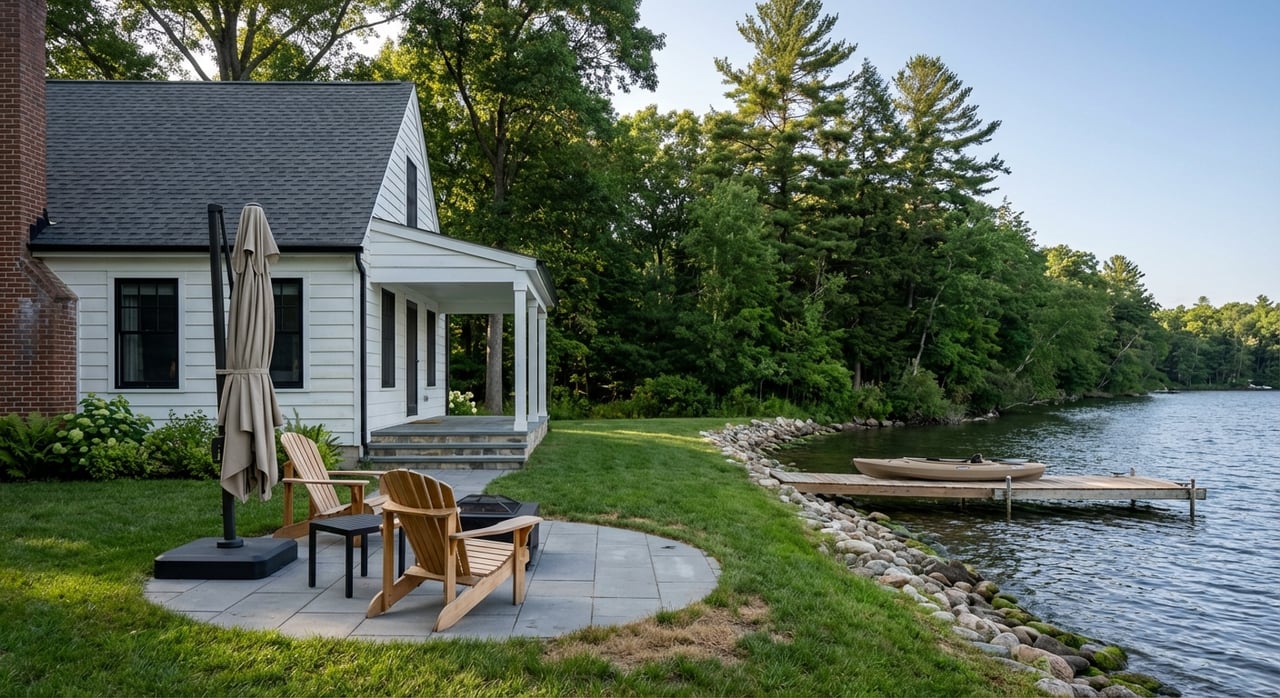
Imagine stepping onto your dock as mist lifts off a quiet, spring-fed lake and the first paddle strokes ripple across glassy water. Owning a cottage at Findley Lake feels intimate and easygoing, with a small-village rhythm that invites you to slow down. You want to know what daily life really looks like here, how to get on the water, and what to plan for behind the scenes. This guide walks you through the seasons, the local scene, and the practical checklists that smart owners use. Let’s dive in.
Findley Lake, up close
Lake traits you notice day one
Findley Lake is about 292 acres with a mean depth near 11 feet and a max depth around 37 feet. It is spring fed, relatively shallow, and lined with aquatic vegetation, which means calmer water and easy access for paddling and swimming. Anglers target bass, walleye, muskellunge or tiger muskellunge, northern pike, crappie, perch, and panfish. In summer, fish often hold above roughly 13 to 15 feet due to lower oxygen deeper down, a helpful detail when you are deciding where to cast. You can review the full lake summary on the state’s resource for Findley Lake.
Read the NYSDEC summary of Findley Lake
Getting on the water
Public access concentrates at the lake’s north end in the village. The NYSDEC operates a hand-launch ramp with parking for about 25 cars, and the Findley Lake Association maintains a separate ramp for trailered boats with specific access rules. If you plan to bring a trailer, confirm which ramp you will use and the parking details before you arrive. Paradise Bay Park offers paid launches and boat rentals, a convenient option if you want a turn-key day on the water.
Boating etiquette you will appreciate
Local boaters follow New York State laws along with Findley Lake guidelines that keep everyone safe and neighborly. Expect counterclockwise travel outside the no-wake zone, life jacket rules, and distance limits for anchored rafts. These simple norms help a small lake feel welcoming on busy summer weekends.
A year at your Findley Lake cottage
Summer rhythms
Summer is cottage season. You will see pontoons drifting at sunset, kayaks tucked under docks, and kids jumping off swim ladders while someone grills dinner on shore. Rentals, marinas, and small shops in the village support day trips and weekly stays, and the local events calendar fills up fast. For current recreation options and rentals, browse the visitor site’s recreation pages.
Fall weekends
Autumn brings quiet docks, glassy morning rows, and vibrant foliage. Mercyhurst University’s Gillard Rowing Center hosts regattas that add energy and spectators to the shoreline, a unique fall flavor you do not get on every lake. Many owners pair a cottage weekend with a day at nearby Peek’n Peak for fall activities or a relaxed drive to winery country for tastings.
Winter choices
Winter at the cottage has two distinct moods. If you keep the home winter-ready, you can settle into snow-draped views, quiet mornings, and easy day trips to the slopes at Peek’n Peak. If you visit only occasionally, you will either keep a conservative heat setting with remote monitors or fully winterize for the season. When you want action, Chautauqua County is known for extensive groomed snowmobile trails maintained by local clubs.
Ice fishing days
Ice fishing happens when conditions are safe. Because ice thickness varies, owners and guests are expected to check local notices and use caution. On the right morning, a few pop-up shanties and tip-ups dot the bays, and the lake settles into its quietest rhythm of the year.
Where you will eat, shop, and gather
The village supports cottage life with small, locally owned spots. Alexander’s on the Lake, French Creek Tavern, Pine Junction, and Twin Docks gourmet deli are favorites to mention when friends ask where to meet. Hours and openings can be seasonal, so check the visitor site for current details before you go. Summer often brings breezy gazebo concerts, while late August tends to feature Harvest Fest and other community gatherings.
For a live pulse on happenings, the Tapestry newsletter posts seasonal schedules and local stories that keep owners in the loop.
Ownership essentials that matter
Access and parking
Public launch capacity is limited. The NYSDEC hand-launch ramp at the north tip is meant for hand-launched craft and has about 25 parking spaces. If your crew brings trailered boats or multiple vehicles, set expectations early about ramp choice, parking, and guest logistics to keep things smooth.
Road maintenance and snow removal
Roads are maintained by different agencies depending on whether they are town, county, or state. For local plowing schedules or road questions, the Town of Mina Highway Superintendent is your primary contact, and the town website lists officials and contact details. If your cottage sits on a private road, clarify any private maintenance arrangements before winter.
Winterize or keep-heat
Seasonal owners typically choose one of two paths. The keep-heat approach means setting the thermostat around a conservative temperature, adding remote temperature and leak sensors, and scheduling periodic check-ins with a local caretaker. Full winterization involves draining plumbing, shutting off interior water, adding non-toxic antifreeze where allowed, and securing utilities for a true off-season. Insurers often require documented steps or check-ins for freeze coverage, so talk to your agent early and follow a reputable checklist.
Wells, septic, and utilities
Many parcels around Findley Lake do not have municipal water or public sewer. Water often comes from private wells and wastewater is handled by septic systems. Before you make plans for renovations or add a bath, confirm your property’s utility setup with the Town and county offices. This is especially important if you are used to city services.
Insurance and vacancy rules
Insurance carriers commonly include vacancy clauses for seasonal homes. To keep coverage in good standing, owners document winterization, maintain minimum heat settings when occupied part time, or schedule periodic property checks. Discuss vacancy thresholds and reporting with a local agent well before winter.
Internet and phone service
Coverage and speeds vary by address. Many listings advertise high-speed availability, but actual options depend on your exact location and provider. Verify with cable, DSL, fixed wireless, or satellite providers for your street address. For rural gaps, satellite solutions like Starlink or mobile home-internet plans can be reliable backups.
Boat storage and off-season care
Plan for off-season storage and service early. Some owners store boats with local marinas or outfitters, while others use private yards or storage facilities. If you rent pontoons or fishing boats seasonally, coordinate return dates and winter covers before the first frost. Paradise Bay Park and other local operators can advise on launch and storage logistics.
Short-term rental permits
Short-term rentals operate with permits issued by the Town of Mina. If you plan to host, start with the Town Clerk to understand requirements, fees, and inspections. Several public listings display permit numbers, a good sign that compliance is standard in this market.
Quick-start owner checklist
- Confirm your access plan. Identify which launch you will use, review local etiquette, and share guidelines with guests.
- Set up utilities and monitors. Choose keep-heat or full winterization, add remote temp and leak sensors, and save your caretaker’s contact.
- Verify internet and phone coverage. Check providers by exact address and line up a backup option if needed.
- Clarify roads and snow plans. Know who maintains your road and arrange private plowing if applicable.
- Organize boat storage. Book winter service and covers before late fall.
- Review permits and insurance. Talk to the Town Clerk about short-term rentals and your insurer about vacancy and freeze coverage.
Community stewardship and local pride
Findley Lake’s sense of care shows up in its institutions. The Findley Lake Watershed Foundation leads weed harvesting, water-quality monitoring, and publishes the lake’s boating guidelines so everyone can enjoy the water responsibly. The Tapestry newsletter captures the heartbeat of the village, from gazebo music to library programs and festival dates. You will also see the volunteer fire department at the center of community events and fundraisers, a hallmark of the small-town culture here.
Is Findley Lake right for you?
If you value a calm, friendly lake where you can paddle at dawn, anchor for an afternoon swim, and walk to a casual dinner, Findley Lake fits. The lifestyle shines across all four seasons, from regattas and Harvest Fest to snow-draped mornings and sled-trail adventures. With a few smart ownership systems in place, a cottage here stays easy to love and easier to manage.
Thinking about buying or selling at Findley Lake or nearby resort markets? Connect with The Nielsen Wroda Team for local guidance, off-market insight, and concierge support tailored to second-home life.
FAQs
How big is Findley Lake and how does that affect boating?
- The lake is about 292 acres and relatively shallow, which keeps water calmer and great for paddling and relaxed cruising.
Where can you launch a boat if you own a cottage?
- Use the NYSDEC hand-launch ramp at the north tip for hand-launched craft, or follow the Findley Lake Association’s rules for trailered boats.
What are the basic boating etiquette rules on Findley Lake?
- Travel counterclockwise outside the no-wake zone, follow life jacket rules, and respect distance limits for anchored rafts to keep everyone safe.
What winterization steps do seasonal owners usually take?
- Owners either keep heat at a conservative setting with remote monitors and caretaker checks or fully drain and shut down plumbing using a documented checklist.
Do Findley Lake cottages usually have public water and sewer?
- Many properties rely on private wells and septic systems, so confirm utility details for your exact parcel with the Town and county.
Are short-term rentals allowed in the Town of Mina?
- Yes, with a municipal permit. Contact the Town Clerk to understand application steps, inspections, and ongoing requirements.